roomba 960 owners manual
Overview of Roomba 960

The Roomba 960, part of iRobot’s 900 series, offers 5× stronger suction, advanced navigation, and a long‑lasting battery. It cleans hardwood, carpet, and rugs, automatically avoiding obstacles and stairs. The manual guides setup, app use, and routine maintenance. It also supports Alexa andnow Assistant.
Key Features of the Roomba 960
The iRobot Roomba 960 delivers a powerful, 5‑times‑stronger suction system that tackles pet hair, fine dust, and larger debris on both hardwood and carpet. Its patented “Edge‑Suction” design ensures corners and walls receive a thorough clean. The robot uses iRobot’s Clean Base navigation system, a laser‑based mapping system that charts every room, identifies obstacles, and creates a virtual map for efficient coverage. The 2‑hour battery life supports up to 120 minutes of continuous cleaning, with a quick‑charge dock that restores power in 30 minutes. The Roomba 960 connects to the iRobot Home app via Wi‑Fi, enabling remote start, scheduling, and real‑time status updates. Voice‑controlled integration with Amazon Alexa and Google Assistant lets users start or pause cleaning with simple commands. The robot’s dual‑brush system includes a self‑cleaning brush that automatically removes tangled hair, while the filter is washable and HEPA‑rated to trap allergens. A “Spot‑Clean” mode focuses on high‑traffic areas, and a “Max‑Suction” setting is available for deep carpet cleaning. The device also features a “Safe‑Zone” function that temporarily disables cleaning in specified areas, and a “Do‑Not‑Disturb” mode that pauses operation during set times. All these features combine to provide a hands‑free, efficient, and customizable cleaning experience for modern households.
Its compact design allows it to navigate under furniture, while the anti‑cliff sensors prevent accidental falls. The 0.8‑liter dustbin holds up to 1.5 L of debris, and the automatic bin emptying feature can be enabled with the optional AutoEmpty Dock. The Roomba 960’s firmware is regularly updated over Wi‑Fi, adding new cleaning patterns and improving performance. Users can customize cleaning schedules through the app, choosing specific rooms or times, and receive notifications when the bin is full or maintenance is required. The robot’s quiet operation—running at 65 dB—ensures it can clean while occupants sleep or work. Enjoy effortless, automated cleaning every day. All set..
Setup and Installation
Unboxing the Roomba 960 reveals a sleek white chassis, a removable dustbin, a brush assembly, and a charging dock. Begin by placing the dock on a flat, level surface within 3 ft of a power outlet. Connect the dock’s power cable, then press the dock’s power button until the LED blinks green, indicating readiness. Next, open the Roomba’s dustbin compartment, remove the filter, and insert the new filter into the filter slot. Ensure the filter is seated correctly; a misaligned filter can trigger a warning light. Place the brush assembly onto the robot, aligning the blue clip with the green notch; the brush should click into place. Slide the dustbin back onto the robot, aligning the metal tabs, and press until it locks. With the robot assembled, press the power button on the top of the unit; the LED will flash green, signaling the robot is powered on. To connect to Wi‑Fi, open the iRobot Home app on a smartphone or tablet, select “Add Device,” and choose “Roomba 960.” Follow the on‑screen prompts: select your Wi‑Fi network, enter the password, and allow the app to detect the robot. Once the robot appears in the app, tap “Finish Setup.” The robot will perform a calibration, mapping your home. During this process, keep the robot in the charging dock, then lift it and place it on a flat surface in the center of the room. The Roomba will autonomously navigate, marking walls and obstacles. Enjoy effortless cleaning now. When the calibration completes, the robot will return to the dock, and the app will display a map of your home. You can now schedule cleanings, choose specific rooms, or start a manual clean from the app. Always keep the charging contacts on the robot and dock clean to ensure reliable charging. The Roomba 960’s setup is designed to be intuitive, allowing most users to complete the process in under 15 minutes. You can now
Operating the Roomba 960
To start a cleaning session, press the CLEAN button on the robot or tap the Clean icon in the iRobot Home app. The Roomba 960 will automatically navigate, using its infrared sensors and cliff detection to avoid obstacles and stairs. It uses a 3‑zone cleaning algorithm: first it cleans the perimeter, then the center, and finally the corners. The robot’s 5× stronger suction ensures deep cleaning on carpets and light dust on hardwood. While cleaning, the LED on the robot will flash green. If you need to pause, press the CLEAN button again; the robot will stop and return to the dock. To resume, press CLEAN once more. The app displays real‑time status, battery level, and estimated time remaining. You can also set a custom cleaning schedule: choose days, times, and rooms. The Roomba 960 supports voice commands via Alexa or Google Assistant; say “Hey Alexa, start the Roomba” to begin a clean. When the dustbin is full, the robot will pause and display a warning on the app. Empty the bin, replace the filter, and press CLEAN to continue. The robot’s self‑cleaning brush will automatically rotate, and the filter will be replaced every 6 months or when the filter light turns amber. The Roomba 960 also offers a “Spot Clean” mode for focused cleaning of a small area. To activate, press the CLEAN button twice quickly. The robot will clean the spot for 2 minutes before returning to the dock. For optimal performance, keep the charging contacts on the robot and dock free of dust and debris. The Roomba 960’s intuitive interface and app integration make it easy to maintain a spotless home with minimal effort.
The Roomba 960, part of iRobot’s 900 series, offers 5× stronger suction, advanced navigation, and a long‑lasting battery. It cleans hardwood, carpet, and rugs, automatically avoiding obstacles and stairs. The manual guides setup, app use, and routine maintenance. It also supports Alexa and Google Assistant.

Common Issues and Troubleshooting
Check battery contacts, clean brushes, reset by holding button, update firmware via app, ensure dock is level, clear debris from sensors, and verify Wi‑Fi connectivity. If problems persist, contact iRobot support.
Restart unit, check firmware, no block!!
Charging Dock Placement
Position the charging dock on a flat, stable surface away from high‑traffic areas to prevent accidental dislodging. Ensure the dock’s charging contacts are unobstructed by rugs or furniture; a clear 2‑inch clearance on all sides promotes efficient power transfer. The dock should be placed near a wall or in a corner, but not directly against a wall to allow the Roomba to approach smoothly. Avoid placing the dock on carpet or uneven flooring, as this can cause misalignment and reduce charging reliability. Keep the dock’s charging contacts free from dust, pet hair, or debris by cleaning them weekly with a dry cloth. If the Roomba consistently fails to dock, verify that the dock’s power outlet is functioning and that the power cord is not kinked. For optimal performance, align the dock’s charging contacts with the Roomba’s charging pins by gently nudging the dock until the indicator lights show a steady green glow. This ensures a stable connection and prevents the Roomba from attempting to charge on a partially obstructed dock, which can lead to battery drain or charging errors. Additionally, place the dock on a surface that allows the Roomba to sense the charging area via its infrared sensors; a slightly angled surface can help the robot detect the dock’s location more accurately. Finally, if you have multiple Roombas, use separate docks or designate a dedicated charging zone to avoid interference and ensure each unit can dock independently. By following placement guidelines, your Roomba 960 will dock reliably, ensuring uninterrupted cleaning cycles.
Connecting to Wi‑Fi and the iRobot App
To link your Roomba 960 to the iRobot Home app, first download the free iRobot Home app from the App Store or Google Play. Open the app and sign in or create a new iRobot account. On the home screen tap “Add Device” and select “Vacuum” from the list. The app will prompt you to power on the Roomba and press the “CLEAN” button for 2 seconds to enter pairing mode; a flashing LED will confirm readiness. Next, choose your home Wi‑Fi network from the displayed list and enter the password; The Roomba will attempt to connect; a solid green light indicates success. If the device fails to appear, ensure the router is broadcasting on 2.4 GHz (the 960 does not support 5 GHz) and that no MAC‑filtering is enabled. You can also reset the Wi‑Fi settings by holding the “CLEAN” button for 10 seconds until the LED blinks rapidly, then repeat the pairing process. Once connected, the app will show the Roomba’s battery level, cleaning history, and allow you to schedule cleanings, start or stop a session, and view real‑time maps. For voice‑assistant integration, enable the Roomba skill in Alexa or Google Assistant from within the app’s “Settings” menu. Remember to keep the Roomba’s firmware updated; the app will notify you of available updates and install them automatically when the robot is docked. If you encounter issues, reboot your router, move the charging dock closer to the router, or use a Wi‑Fi extender to improve signal strength! This setup ensures seamless remote control and monitoring of your Roomba 960.
Manual Cleaning Modes
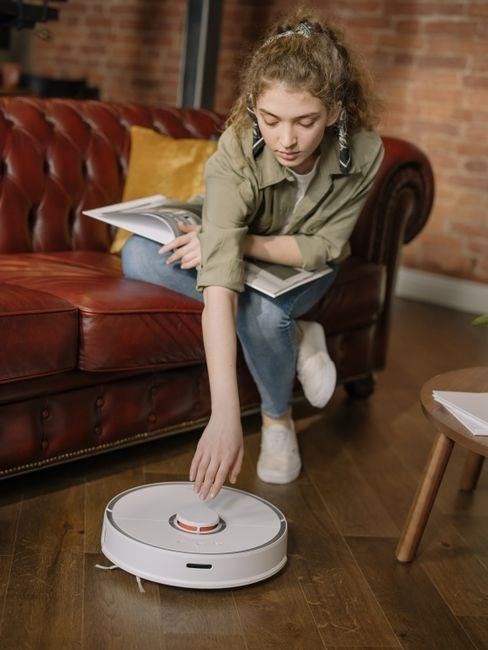
When you want to target specific areas or adjust the Roomba 960’s cleaning intensity, the robot offers several manual modes that can be activated directly from the device or the iRobot Home app. The primary modes are “Spot,” “Edge,” and “Deep Clean.” Each mode serves a distinct purpose and can be combined for optimal results.
The “Spot” mode focuses the vacuum on a 1‑meter radius around the current position. It is ideal for pet‑hair clusters, spilled coffee, or any localized mess that needs immediate attention. To activate Spot, press the “CLEAN” button once; the LED will flash blue for a few seconds before the Roomba starts rotating in place while suction is maximized. Spot can be run for up to 30 minutes, after which the robot automatically returns to the dock.
The “Edge” mode is designed to clean along walls, baseboards, and furniture edges. By pressing the “CLEAN” button twice, the Roomba will follow the perimeter of the room, ensuring that corners and hard‑to‑reach spots receive thorough cleaning. Edge mode is especially useful in kitchens or living rooms where crumbs accumulate along edges.
The “Deep Clean” mode increases suction power to 5× the standard level and extends the brush rotation speed. This mode is activated by holding the “CLEAN” button for 5 seconds. The Roomba will then sweep for a full 45 minutes, covering a larger area before returning to the dock. Deep Clean is recommended for heavily soiled carpets or after a pet grooming session.
You can also combine modes by using the “Schedule” feature in the app to run Spot or Edge at specific times, or by manually selecting a mode after a standard cleaning cycle. The Roomba 960’s firmware automatically adjusts brush speed and suction based on the chosen mode, ensuring efficient power usage while delivering the desired cleaning performance. Always check the dustbin and filter before starting a new mode to maintain optimal suction. For more advanced control, the app allows you to set a “Custom” cleaning area by drawing a boundary on the floor plan, after which the robot will automatically switch to Spot or Edge as needed. This flexibility makes the Roomba 960 a versatile tool for maintaining a spotless home without constant supervision. If you need to interrupt a manual mode, simply press the “CLEAN” button again to stop the current cycle and return to the dock. The Roomba will also pause automatically if the dustbin is full, allowing you to empty it before resuming. For users who prefer voice control, the Roomba 960 can respond to commands such as “Hey Alexa, start a Spot clean” or “Hey Google, run Edge mode.” These voice shortcuts provide hands‑free access to manual cleaning, making it easier to maintain a tidy space even when you’re busy with other tasks. The manual cleaning modes are fully compatible with the Roomba’s scheduling feature, enabling you to set recurring Spot or Edge cleanings at specific times of day, ensuring that high‑traffic areas receive extra attention without manual intervention. Additionally, the Roomba’s LED indicator will flash amber during manual modes to remind users that the robot is actively cleaning a selected area, and will switch to green once the cycle completes. If the Roomba encounters an obstacle during a manual mode, it will pause, attempt to navigate around it, and resume the cleaning cycle once the path is clear, ensuring no area is missed.
Scheduling Cleanings
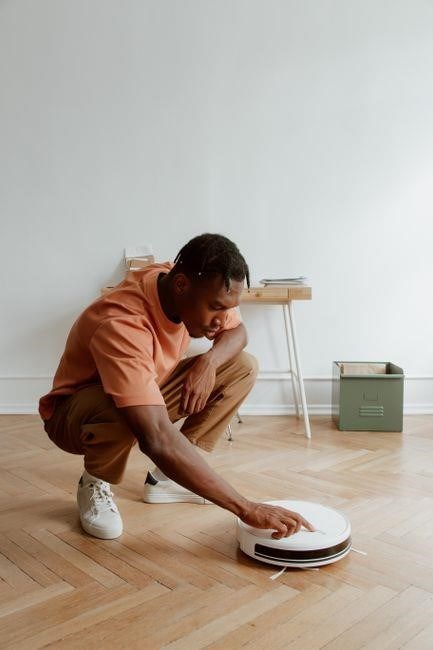
Scheduling on the Roomba 960 is managed through the iRobot Home app, which syncs with the robot’s internal clock. Open the app, tap the device icon, and select “Schedule.” From there, you can set a start time and choose one or more days of the week. The interface displays a 24‑hour clock; simply tap the desired hour to begin a cleaning cycle. The robot will automatically return to the dock once the cycle ends, or if the dustbin is full. You can also specify a “Deep Clean” interval by selecting the “Deep Clean” toggle before confirming the schedule; This mode will run for 45 minutes instead of the standard 30 minutes, ensuring heavily soiled areas receive extra attention. If you prefer a shorter run, toggle off the deep clean option. The app allows you to set up to five separate schedules per day, enabling you to clean high‑traffic zones in the morning and bedrooms at night. To edit a schedule, simply tap the existing entry, adjust the time or days, and save. Deleting a schedule is as easy as swiping left on the entry and confirming the removal. For users who rely on voice assistants, the Roomba 960 can be triggered by “Hey Alexa, start the morning schedule” or “Hey Google, run the evening schedule.” These voice commands will activate the next scheduled cycle, provided the robot is docked and charging. If the robot is away from the dock during a scheduled time, it will automatically return to the dock, wait for the scheduled start time, and then begin cleaning. The schedule feature also includes a “Pause” option, which temporarily halts all future scheduled cleanings until you resume them. This is useful when you’re traveling or have guests staying over. The iRobot Home app stores the schedule locally on the device and in the cloud, ensuring that your preferences are preserved even if the robot is reset. When the robot completes a scheduled run, the app sends a notification indicating the completion time and any issues encountered, such as a full dustbin or a navigation error. These notifications help you stay informed without having to check the robot manually. Finally, if you need a quick cleaning outside of the schedule, simply press the “CLEAN” button on the robot or tap “Start” in the app; the scheduled times will not be affected. The scheduling system also supports recurring patterns, such as cleaning every other day or only on weekdays. Users can toggle the “Repeat” switch to customize these patterns. Additionally, the app provides a visual calendar view where you can see all upcoming cleanings at a glance, making it easier to plan around household activities. If the Roomba encounters a problem during a scheduled run, the app will pause the cycle and send an alert, allowing you to intervene before the robot returns to the dock. This proactive approach ensures that the robot’s cleaning performance remains consistent over time. Users can also set a maximum runtime for each scheduled cleaning, preventing the robot from running longer than desired. By setting a limit of 30 minutes, the Roomba will stop automatically and return to the dock, even if the cleaning area is not fully covered. This feature is useful for conserving battery when the robot is not needed for a full cycle. The Roomba’s firmware updates can be installed via the app, ensuring that scheduling features remain up to date and compatible with new home automation systems. With these tools, the 960 delivers a flexible, hands‑free cleaning experience that adapts to your daily routine. Enjoy now;
Cleaning the Brush and Filter
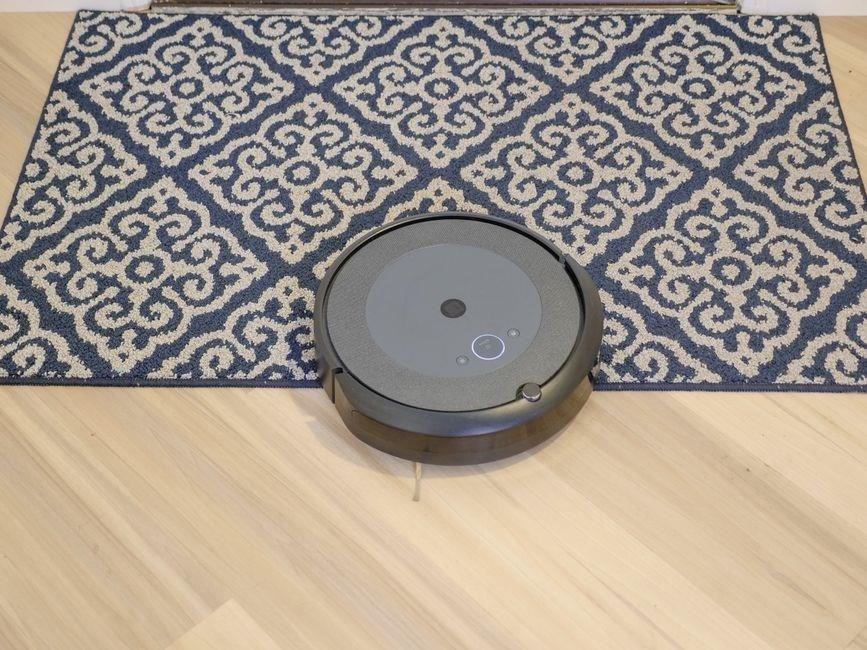
To keep the Roomba 960’s suction strong, clean the brush and filter every 4–6 weeks. Power off and unplug the unit. Remove the dustbin, lift the front cover, and pull out the main brush. Trim tangled hair with scissors, then rotate the brush to check free movement. Next, pull the filter from the dustbin cavity, rinse under lukewarm water, and let it dry overnight. Reinstall the filter, replace the brush, and snap the cover back on. Finally, reinsert the dustbin and test a short run to confirm proper operation.
If the filter appears clogged or yellow, replace it with a new 2‑inch filter from the iRobot store. A wet or dirty filter can reduce airflow and damage the motor. When reinstalling, ensure the filter sits flush and the dustbin latch clicks securely. The brush should spin smoothly; if it stutters, check for hair or debris blocking the motor.
Regular maintenance extends the robot’s life and keeps floors spotless. After cleaning, run a quick cycle and observe the suction level. If you notice a drop in performance, repeat the cleaning steps or contact iRobot support. Keeping the brush and filter clean guarantees consistent cleaning across hardwood, carpet, and rugs.
The Roomba 960’s brush roll automatically removes hair, but manual cleaning extends life. Use the original iRobot filter; third‑party filters may not fit and can reduce suction. Store spare filters in a dry area. Avoid harsh chemicals that could damage the brush or filter. After cleaning, wipe the brush housing with a damp cloth to remove residual debris.
Emptying the Dustbin
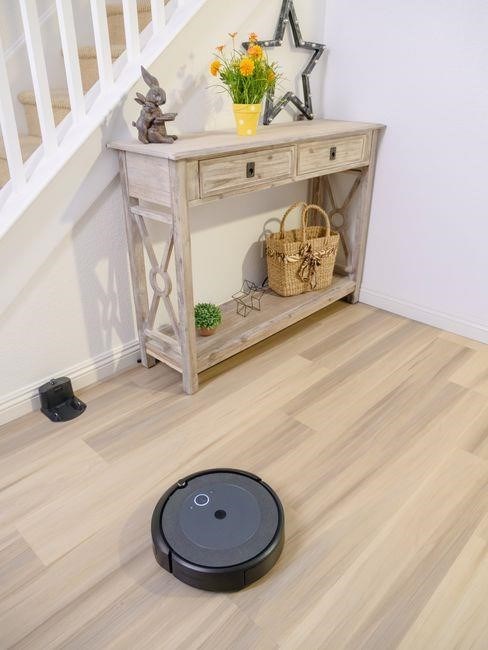
To maintain optimal suction, empty the Roomba 960’s dustbin after each cleaning cycle or when the indicator light turns red. Power off the robot and unplug it from the charging dock. Lift the front cover and remove the dustbin by pulling it straight out. Gently shake the bin to dislodge loose debris, then open the bin’s lid and discard the contents into a trash can. Close the lid securely before reinserting the bin into the robot. After reassembly, press the CLEAN button to resume operation.
For a deeper clean, remove the filter from the dustbin cavity and rinse it under lukewarm water. Allow the filter to dry completely before reinstalling. This step prevents clogged airflow and extends the filter’s lifespan. If you notice a persistent odor, replace the filter with a new one from iRobot’s official store.
Keep the dustbin area free of foreign objects that could jam the bin. Store the robot in a dry, dust‑free environment to minimize accumulation. Regular emptying also reduces the risk of motor overheating and ensures consistent performance across hardwood, carpet, and rug surfaces.
When emptying, always follow the manufacturer’s safety guidelines. Avoid using sharp objects to pry the bin, as this can damage the robot’s internal components. If the dustbin does not release smoothly, check for stuck debris and gently remove it with a soft brush. Proper maintenance of the dustbin is essential for the Roomba 960’s longevity and cleaning efficiency. Remember to check the dustbin for any stuck debris before reassembling. Carefully.
Charging Problems
When the Roomba 960 fails to charge, start by inspecting the docking station’s power outlet and cable connections. Ensure the dock’s indicator light is green; a red or flashing light signals a fault. Clean the charging contacts on both the dock and the robot with a lint‑free cloth, as dust or debris can block the connection. If the dock light remains red, reset the dock by unplugging it for 30 seconds, then reconnecting. Verify that the robot’s firmware is up to date via the iRobot App, because outdated software can cause communication errors. Common causes include a depleted battery, a faulty charging cable, or a misaligned dock. To test the battery, place the robot on the dock and observe the charging indicator for 10 minutes; if the light does not change, replace the dock’s charging cable with a new one from iRobot. For persistent issues, remove the dustbin and filter, reassemble, and retry charging. If the robot still does not charge, contact iRobot support for a possible battery replacement or repair service. Regularly cleaning the charging contacts and keeping the dock level on a flat surface will prevent most charging problems.








Leave a Comment