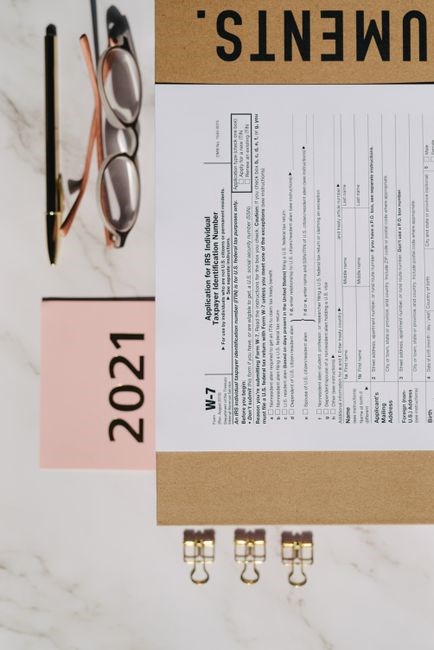
Open post

or-asc-np instructions

Overview of OR-ASC-NP Instructions

OR‑ASC‑NP instructions guide taxpayers on reporting non‑profit contributions‚ detailing line items‚ metro calculations‚ and filing requirements. They reference Form OR‑40‚ Schedule MET‑40‑NP ASC‚ and Publication OR‑17 for updates. Accurate totals and consistent schedules are essential. Submit with return now

1.1 Purpose and Applicability

The Oregon State‑wide Allocation of State Credits for Non‑Profit (OR‑ASC‑NP) instructions provide a framework for taxpayers to report and claim tax credits related to qualified non‑profit contributions and activities. These instructions are applicable to individuals‚ corporations‚ partnerships‚ and trusts that have made eligible contributions to Oregon non‑profit organizations during the tax year.! The purpose of the instructions is to ensure accurate calculation of credit amounts‚ proper application of metro percentage adjustments‚ and correct reporting of deductions and modifications. They also outline the relationship between the main return and the supplemental Schedule MET‑40‑NP ASC‚ specifying where totals from the schedule must be entered on the return. The instructions emphasize consistency across all schedules‚ the need for complete documentation‚ and adherence to the latest revisions published in the Oregon Department of Revenue’s Publication OR‑17 and the most recent form updates. By following these guidelines‚ taxpayers can avoid common errors such as mis‑calculating line totals‚ omitting required schedule pages‚ or incorrectly applying metro percentage multipliers. The instructions are updated annually; the current version reflects changes effective through the 2025 revision‚ including new line item definitions and clarified metro calculation steps. Taxpayers should review the instructions before completing their return to ensure compliance with all statutory requirements and to maximize eligible credit recovery.

Forms and Schedules

OR‑ASC‑NP instructions reference Form OR‑40‚ Schedule MET‑40‑NP ASC‚ and Publication OR‑17. Taxpayers must attach all schedule pages‚ ensure totals match lines 31‑33‚ and apply metro percentage from line 30. Updated revisions through 2025 guide accurate credit calculations. Verify totals against IRS schedule for accuracy

2.1 Form OR-40 and its Relationship to OR-ASC-NP

Form OR‑40 serves as the primary Oregon corporate income tax return‚ while the OR‑ASC‑NP schedule supplements it by reporting non‑profit‑related adjustments that affect the taxable income reported on OR‑40. The schedule captures additions‚ subtractions‚ and credit calculations that are not included on the standard line items of OR‑40. Complete the OR‑ASC‑NP schedule after determining the base taxable income on OR‑40‚ then apply the specific non‑profit rules—such as the 10% metro percentage and the special deduction multipliers—to arrive at the final net adjustment. The resulting totals from lines 31‑33 are summed on line 34 and then combined with the metro percentage on line 35 to produce the adjusted taxable income that is carried back to OR‑40. The schedule must be attached to the return‚ and all figures must match the corresponding lines on OR‑40 to avoid audit discrepancies. Publication OR‑17 provides the statutory framework‚ while the latest revision of the instructions (Rev. 01/16/2025) clarifies the calculation steps and updates the required forms. Failure to include the schedule or to correctly apply the metro percentage can result in penalties or loss of eligible credits. Therefore‚ carefully follow the step‑by‑step guidance‚ verify that each line is accurately computed‚ and ensure that the schedule is filed in the same tax year as the OR‑40 return. The relationship between the two forms is thus a two‑step process: compute the base income on OR‑40‚ then adjust it via the OR‑ASC‑NP schedule to reflect non‑profit‑specific tax treatments before final submission.

In practice‚ the OR‑ASC‑NP schedule is often filed as a separate attachment‚ but it must reference the same tax year as the OR‑40 form. The instructions emphasize that if the schedule spans multiple pages‚ all pages must be included and must correspond to the same filing year. The schedule’s line 30 provides the metro percentage‚ which is applied to the total from line 34 to compute the final adjustment on line 36. The instructions also note that any changes to the metro percentage or other statutory rates must be reflected in the schedule to maintain consistency with the state’s tax code. Additionally‚ the schedule references the MET‑40‑NP ASC‚ which contains supplemental data for non‑profit entities. Cross‑check figures between the schedule and the MET‑40‑NP ASC to ensure accuracy. The guidance from Publication OR‑17 clarifies that the OR‑ASC‑NP schedule is not a standalone form but a supplement that modifies the taxable income reported on OR‑40. It is essential to keep the schedule and the main return in sync‚ especially when adjustments affect the final tax liability. Failure to do so can trigger audit flags or result in incorrect tax assessments!! Therefore‚ meticulous attention to detail and adherence to the latest instruction revisions are critical for compliance.

Key Line Items

Lines 31‑33 list adjustments; line 34 totals them. Line 35 applies the metro percentage from line 30‚ and line 36 multiplies deductions by that percentage. These figures feed back into OR‑40 for final tax calculation. Ensure totals match Schedule MET‑40‑NP ASC for accuracy. All verified.!

3.1 Lines 31-33 and Total (Line 34)

Lines 31‚ 32‚ and 33 on Schedule MET‑40‑NP ASC capture distinct categories of adjustments that impact the non‑profit contribution calculation. Line 31 records additions that increase the reported contribution base‚ such as capital improvements or newly acquired assets. Line 32 captures subtractions that reduce the base‚ including disposals‚ depreciation adjustments‚ or previously overstated amounts. Line 33 is reserved for tax recaptures‚ standard credits‚ carry‑forward credits‚ and refundable credits that are not reported on Form OR‑40. Each line must be entered with precision‚ using the same currency format and rounding conventions specified in Publication OR‑17. After completing these three lines‚ taxpayers must sum the amounts to produce the total on Line 34. This total represents the net adjustment to the non‑profit contribution figure and is a critical input for subsequent metro percentage calculations on Line 35. The IRS requires that the sum on Line 34 be carried forward exactly as shown‚ with no additional rounding or adjustment‚ to maintain consistency across the return. If any of the lines contain zero‚ the zero must still be entered to preserve the line sequence. Failure to include all three lines or to correctly calculate the total can result in processing delays or audit triggers. Therefore‚ double‑check each figure against supporting documentation and confirm that the sum on Line 34 matches the combined value of Lines 31‚ 32‚ and 33 before final submission. The accuracy of this total is essential for the integrity of the entire OR‑ASC‑NP reporting process.

For example‚ if a nonprofit reports $12‚000 in additions on Line 31‚ $3‚500 in subtractions on Line 32‚ and $1‚200 in tax recapture credits on Line 33‚ the total on Line 34 would be $9‚700. This figure is then used to calculate the metro percentage on Line 35. Taxpayers should keep ledger entries to substantiate each line item. If any line involves a negative amount‚ it must be entered with a minus sign and reflected in the total calculation. The IRS provides a worksheet to assist with these calculations‚ but the final figure must be entered on the form. Consistency between the written totals and the printed totals on the form is mandatory; any discrepancy triggers a review. Finally‚ the total on Line 34 should be cross‑checked with the corresponding amount on the attached Schedule MET‑40‑NP ASC to ensure that all adjustments have been captured correctly. All figures must be verified before filing.

Metro Calculations

Line 35 requires the metro percentage from line 30‚ applied to the total on line 34. Multiply line 34 by this percentage to compute line 36‚ the deductions and modifications. Enter the exact product on line 36; rounding follows IRS rules. Verify consistency before filing. Double-check. now

4.1 Metro Percentage (Line 35) and Deductions (Line 36)

Line 35 on the OR‑ASC‑NP schedule requires the metro percentage‚ which is sourced directly from line 30 of the schedule. This percentage reflects the proportion of the taxpayer’s total taxable income that is subject to the metropolitan tax rate. The IRS and the Oregon Department of Revenue specify that the percentage must be entered exactly as shown‚ without rounding‚ to ensure compliance with state tax law.

Line 36 calculates the deductions and modifications that are multiplied by the metro percentage. To compute this figure‚ take the total amount reported on line 34 (the sum of lines 31‚ 32‚ and 33) and multiply it by the metro percentage entered on line 35. The result is the amount to be reported on line 36. This calculation is critical because it determines the taxpayer’s final metro tax liability and any adjustments that must be applied to the overall tax return. The instructions emphasize that the product must be accurate to the cent; any discrepancy can trigger an audit or reassessment.

Taxpayers should verify that the metro percentage entered on line 35 matches the value from line 30 exactly‚ as a mismatch can lead to incorrect deductions on line 36. If the metro percentage is zero‚ line 36 will also be zero‚ indicating no metro tax adjustments. For taxpayers with multiple income streams‚ the metro percentage may vary‚ so it is essential to use the correct figure for each applicable line. The instructions also advise that the calculation for line 36 should be performed using the same decimal precision as the original percentage to avoid rounding errors.

Double‑check all figures‚ especially the metro percentage and its application to ensure compliance and avoid penalties quickly.

Data Entry Guidance

Enter the total from Schedule MET‑40‑NP ASC‚ Section 4‚ line 4f as Line 34. Sum lines 31‑33 for the total. For Line 35‚ input the metro percentage from line 30. Line 36 is the product of Line 34 and the metro percentage‚ reflecting deductions and modifications. Double‑check totals for accuracy before filing.!!

5.1 Entering Totals from Schedule MET-40-NP ASC

To accurately complete the OR‑ASC‑NP section‚ begin by locating Section 4 of Schedule MET‑40‑NP ASC. The total for Line 34 is the sum of lines 31‚ 32‚ and 33; enter this figure exactly as it appears in the schedule. Next‚ capture the metro percentage from line 30 and record it in Line 35. For Line 36‚ multiply the Line 34 total by the metro percentage to reflect deductions and modifications. Ensure that all figures are carried over without rounding‚ as the IRS requires precision. If the schedule spans multiple pages‚ attach every page and verify that each page is labeled with the same tax year. Refer to Publication OR‑17 and the Form OR‑21 instructions for guidance on permissible credits‚ such as standard‚ carryforward‚ and refundable credits that are not reported on Form OR‑40. When filing‚ include the complete schedule; incomplete or mismatched schedules can delay processing. Maintain a copy of the original schedule for your records and for any future audit inquiries. This meticulous approach guarantees compliance with Oregon’s non‑profit reporting rules and prevents errors that could trigger penalties or reassessment.

Taxpayers should double‑check that all numeric entries match the figures printed on the original schedule‚ as any discrepancy may trigger an audit. Additionally‚ keep electronic copies of the schedule and supporting documentation in a secure location for at least five years‚ in compliance with Oregon’s record‑keeping requirements. These steps ensure compliance and reduce the risk of penalties for calm

Filing Requirements

Attach Schedule OR‑ASC‑NP with the return. Include all pages‚ same tax year‚ and ensure totals match Schedule MET‑40‑NP ASC. File by the due date; late filings incur penalties. Keep copies for five years. Refer to Publication OR‑17 for updates. Submit pages by date to avoid penalty.

6.1 Page Inclusion and Consistency Across Schedules

When filing the OR‑ASC‑NP schedule‚ the taxpayer must attach every page of the schedule to the return‚ ensuring that all pages belong to the same tax year. The schedule must be complete; any omitted page or page from a different year invalidates the filing and may trigger penalties. The total reported on line 34 of the schedule must equal the sum of lines 31‚ 32‚ and 33‚ and this total must match the figure entered on the corresponding line of Form OR‑40. The metro percentage on line 35 must be copied exactly from line 30 of the schedule‚ and the deduction amount on line 36 must be calculated by multiplying the total on line 34 by the metro percentage‚ then entered as instructed. The schedule’s header must display the correct tax year and the taxpayer’s identifying information. All schedules filed together must have consistent totals; a discrepancy between the totals reported on the OR‑ASC‑NP schedule and the totals reported on the accompanying Form OR‑40 or on any other related schedule (e.g.‚ MET‑40‑NP ASC) triggers a review. The taxpayer should verify that the totals on the OR‑ASC‑NP schedule match the totals reported on the MET‑40‑NP ASC section 4‚ line 4f‚ and that the sums of lines 31‑33 are correctly reflected in line 34. Any misalignment may result in a reassessment or a request for additional documentation from the Oregon Department of Revenue. Proper page inclusion and consistency across schedules are therefore essential to comply with filing requirements and avoid audit complications. The taxpayer must also ensure that the schedule is signed and dated‚ and that any electronic filing system used records the schedule’s inclusion. If the schedule is submitted electronically‚ the system should flag any missing pages or mismatched totals before acceptance. The Oregon Department of Revenue recommends reviewing the schedule against the published instructions in Publication OR‑17 to confirm that all line items are correctly entered. Failure to comply with these page inclusion and consistency requirements can result in delayed processing‚ reassessment‚ or denial of the return.
References and Updates

See Publication OR‑17‚ Form OR‑21‚ and the revision history for the latest changes. Updated 01/16/2025‚ the instructions now reference Schedule MET‑40‑NP ASC and clarify line 34 totals. Keep records of all versions to ensure compliance. Refer to the PDF for line‑by‑line guidance now

7.1 Publication OR-17‚ Form OR-21‚ and Revision History

Publication OR‑17 provides the foundational guidance for Oregon’s non‑profit tax reporting‚ detailing eligibility‚ credit calculations‚ and reporting requirements. The latest edition‚ dated January 16‚ 2025‚ updates line definitions‚ clarifies deferred credit treatment‚ and revises the metro‑percentage method to reflect recent legislative changes. Taxpayers must download the PDF from the Oregon Department of Revenue site to confirm they are using the correct version for the tax year.

Form OR‑21 is the main reporting tool for the OR‑ASC‑NP schedule‚ integrating totals from Schedule MET‑40‑NP ASC‚ computing the metro percentage on line 35‚ and applying deductions on line 36. The instructions stress accurate data entry‚ especially the sum of lines 31‑33 on line 34‚ and mandate that the schedule accompany the primary return. All pages must match the tax year and be attached in full.

Revision history is maintained in a separate log on the Department’s online portal. Each entry lists the effective date‚ a brief description of changes‚ and the impacted lines or sections. For instance‚ the 10/04/22 revision added a new line for “carryforward credits‚” while the 10/21/21 update clarified the definition of “non‑profit organization.” Reviewing the revision history before filing ensures compliance with the most current rules.

Taxpayers now should monitor the Department’s news releases for guidance that may affect OR‑ASC‑NP calculations. Keeping the latest instructions and revision log ensures accurate figures on the return audits. Proper documentation of source documents is essential.


Open post

az and me application form

Overview of the AZ and Me Application Form

The AZ and Me Application Form streamlines enrollment, requiring personal data, proof of residency, and consent. Users log in via the portal, fill mandatory fields, attach documents, and submit. The system auto‑validates entries, ensuring accuracy before approval. Confirmation sent within 48 hrs

Eligibility Criteria for Applicants

Applicants must meet a set of foundational prerequisites that ensure the integrity and effectiveness of the AZ and Me initiative. First, a valid online account is mandatory; the portal verifies the user’s digital identity before any form data is accepted. Second, the applicant must possess a recognized government‑issued email address that will serve as the primary communication channel for updates, notifications, and support. Third, a recent, verifiable phone number is required to enable two‑factor authentication and real‑time alerts. Fourth, the individual must be actively engaged in the program’s community, evidenced by a subscription to the AZ and Me newsletter or participation in a recent community event, which confirms commitment to the program’s values. Fifth, applicants must agree to the comprehensive terms of service and privacy policy, acknowledging that all submitted information will be processed in accordance with the latest data‑protection regulations. Finally, the application process requires a clear, unambiguous statement of intent, where the applicant outlines their goals and how they plan to contribute to the broader AZ and Me ecosystem. Failure to satisfy any of these conditions will result in automatic disqualification, ensuring that only qualified, engaged, and compliant individuals advance to the next stage of the application workflow. Applicants should also complete at least one related certification within the first year, which strengthens their role in the community and supports program daily goals.

Documents Required to Complete the Application

To successfully submit the AZ and Me Application Form, applicants must gather and upload a specific set of documents that verify identity, residency, and eligibility. The portal accepts PDF, JPEG, or PNG formats, and each file must not exceed 5 MB. The required documents are: 1. A government‑issued photo ID (passport, driver’s license, or national ID card) that confirms legal name, date of birth, and current address. 2. A recent utility bill, bank statement, or lease agreement that proves residency within the designated service area; the document must be dated within the last three months. 3. A signed consent form that authorizes the program to access and store personal data in compliance with data‑protection laws. 4. A copy of the most recent tax return or proof of income if the application involves financial assistance; this document must be notarized or issued by a certified accountant. 5. A completed proof‑of‑employment letter or enrollment verification from an educational institution, if the applicant is a student or employee. 6. Optional but recommended: a portfolio or evidence of prior participation in community projects, which can strengthen the application. All documents should be clear, legible, and free of watermarks. The portal’s upload wizard will automatically validate file types and sizes before submission. Failure to provide any of the mandatory documents will result in a rejection notice, and the applicant will need to resubmit the missing items within 14 days to avoid delays in processing. Thanks

Detailed Step‑by‑Step Submission Process

To begin, create a user account on the official portal by providing your email address and setting a strong password. After receiving the confirmation email, click the verification link to activate your account. Next, log in and complete the profile section, entering your full name, date of birth, gender, and contact information. Attach a clear, scanned copy of your government‑issued photo ID in the designated upload area. Proceed to the documents tab and upload proof of residency, such as a recent utility bill or lease agreement, ensuring the file is dated within the last three months. Once all files are uploaded, the system will validate them and highlight any errors. Carefully review the summary page, confirm that all information is accurate, and tick the consent box to acknowledge the privacy policy. Use the preview function to view the complete application as it will appear to reviewers. When satisfied, click the submit button. A confirmation screen will display a unique reference number and an estimated processing time. Save the confirmation PDF and keep the reference number handy. You can monitor the status of your application in the “My Applications” section of the portal. If additional documents are requested, upload them promptly to avoid delays. Once processed, you will receive an email notification with the final decision and any next steps.

Common Mistakes and How to Avoid Them

Applicants frequently submit incomplete forms, omit required documents, or upload low‑resolution scans that the system rejects. Users often enter inconsistent data—such as mismatched birth dates or addresses—leading to validation failures. Another common mistake is forgetting to confirm the privacy policy, which blocks submission. To avoid these pitfalls, double‑check every field before saving, use the preview feature, and ensure all PDFs or images are under the size limit and in the correct format. Verify that the ID photo is clear and that the residency proof is dated within the last three months. When uploading, keep file names simple and avoid special characters. After submission, review the confirmation screen for any flagged issues and promptly respond to any follow‑up requests. Finally, keep a copy of the submitted application and the reference number for future reference. Remember to keep the application updated if any personal details change; the portal allows edits until the final submission; If you encounter technical issues, consult the help center or contact support. Following these guidelines will streamline the process and reduce the likelihood of delays or rejections. promptly.!

Frequently Asked Questions (FAQs)

Q1: What is the AZ and Me Application Form?

A: It is a digital portal for enrolling in the AZ and Me program, requiring personal details, proof of residency, and consent.

Q2: Who is eligible to apply?

A: Applicants must be residents of Arizona, aged 18 or older, and hold a valid government ID.

Q3: Which documents must I upload?

A: A scanned copy of your ID, a recent utility bill or lease agreement, and a signed consent form.

Q4: How long does the review take?

A: Most applications are processed within 5–7 business days after submission.

Q5: What if my application is rejected?

A: You will receive an email with reasons and steps to correct the issues.

Q6: Can I edit my application after submitting?

A: Yes, until the final approval stage, you can log in and update any field.

Q7: Is there a fee?

A: The application itself is free; any program fees are listed separately on the portal.

Q8: How do I reset my password?

A: Click “Forgot Password” on the login page and follow the instructions sent to your email.

Q9: Who can I contact for support?

A: Use the helpline number 1‑800‑AZ‑ME or email support@azandme.gov.

Q10: Where can I find more information?

A: Visit the official AZ and Me website or consult the help center within the portal.

For help, consult the online FAQ, watch tutorial videos, or use the portal’s live chat. Our team is ready to guide you through every step of the application.

Help needed!?

Contact Information and Support Resources

Phone: 1‑800‑AZ‑ME (Mon‑Fri 9‑5). Email: support@azandme.gov. Live chat on portal. FAQ page: azandme.gov/faq. Office: 123 Main St, Phoenix, AZ 85001. Hours: 8‑6. For urgent queries, call toll‑free 1‑800‑555‑1234. Support: 1‑800‑123‑4567. (24/7)!

Key Features of the Application Form

Users can also set preferences.

The portal is built to streamline the application process while ensuring data integrity and user privacy.

  • Responsive design that works on desktop, tablet, and mobile.
  • Real‑time validation that flags errors before submission.
  • Secure TLS‑1.3 document uploads with encrypted storage.
  • Dynamic progress bar showing completion percentage.
  • Auto‑save every 30 seconds and unique reference number.
  • Embedded help widget, FAQ links, and live chat support.
  • Multilingual interface (English, Spanish, Arabic).
  • Confirmation email with PDF copy and status tracking link.
  • WCAG 2.1 AA accessibility compliance.
  • Audit trail with timestamps and user IDs.
  • Export to CSV or XML for integration with case‑management systems.
  • Compliance with FERPA, GDPR, and state privacy laws.

The application also offers a real‑time dashboard, reminders, and with case officers, designed to reduce processing time daily!

Age and Residency Requirements

Applicants must be at least 18 years old at the time of submission, unless a state‑specific waiver is granted for minors under 18 with a parent or guardian’s written consent. The form requires proof of U.S. citizenship or lawful permanent residency, such as a valid passport, birth certificate, or green card. For non‑citizens, a current visa status must be verified, and the applicant must provide a copy of the I‑94 or equivalent travel document. Residency is determined by a continuous 90‑day presence within the state of Arizona, documented by a driver’s license, utility bill, lease agreement, or official correspondence addressed to the applicant’s Arizona residence. The application process automatically flags any discrepancies in age or residency data, prompting the user to upload supporting documents. If the applicant’s age is below the minimum threshold, the system will request a notarized affidavit from a parent or legal guardian confirming the applicant’s age and intent to enroll. For residency, the portal accepts scanned PDFs or JPEGs up to 5 MB each, and the system verifies the address against the U.S. Postal Service database to ensure compliance with state residency laws. Failure to meet these criteria results in automatic rejection, and the applicant receives an email detailing the missing or invalid information. Applicants should verify all details before submission to avoid delays. The portal offers real‑time status updates and a help center. Users may download a PDF copy of their application for records today.

Proof of Identity and Citizenship Documents

Applicants must submit a primary government‑issued photo ID that verifies both identity and citizenship status. Accepted documents include a U.S. passport (current or expired within the last 10 years), a birth certificate issued by a U.S. state or territory, or a permanent resident card (green card). For non‑citizens, a valid visa and the accompanying I‑94 arrival‑departure record are required, and the applicant must provide a notarized statement confirming the validity of the visa and the applicant’s intent to remain in the United States. All documents must be scanned in PDF or JPEG format, with a resolution of at least 300 dpi, and each file must not exceed 5 megabytes. The application portal automatically verifies the document’s authenticity by cross‑checking the document number against the issuing agency’s database. If the system detects a mismatch, the applicant receives an immediate notification to resubmit the correct file. Applicants who cannot provide a passport may use a state or local government photo ID combined with a birth certificate; however, the ID must be issued within the last five years to meet the validity requirement. After submission, the system assigns a unique reference number that the applicant can use to track the status of their verification. The verification process typically completes within 72 hours, after which the applicant receives an email confirmation and a digital copy of the verified documents for their records. All documents are stored and accessed by staff daily!!!!!!!

Applicants must first provide a primary government‑issued photo ID that verifies both identity and citizenship status. Accepted documents include a U.S. passport, a birth certificate issued by a U.S. state or territory, or a permanent resident card (green card). For non‑citizens, a valid visa and the accompanying I‑94 arrival‑departure record are required, and the applicant must provide a notarized statement confirming the validity of the visa and the applicant’s intent to remain in the United States. All documents must be scanned in PDF or JPEG format, with a resolution of at least 300 dpi, and each file must not exceed 5 megabytes. The application portal automatically verifies the document’s authenticity by cross‑checking the document number against the issuing agency’s database. If the system detects a mismatch, the applicant receives an immediate notification to resubmit the correct file. Applicants who cannot provide a passport may use a state or local government photo ID combined with a birth certificate; however, the ID must be issued within the last five years to meet the validity requirement. After submission, the system assigns a unique reference number that the applicant can use to track the status of their verification. The verification process typically completes within 72 hours, after which the applicant receives an email confirmation and a digital copy of the verified documents for their records.

Online Portal Access and Account Creation

To begin the AZ and Me application process, applicants must first create a secure account on the official portal. The portal is accessible via https://portal.azandme.gov and requires a valid email address and a strong password meeting complexity rules. After email verification, the portal presents a multi‑step wizard that guides applicants through the creation of their profile, collecting basic personal information such as full legal name, date of birth, and current residential address. Applicants must upload a government‑issued photo ID and a secondary document proving residency, such as a utility bill or lease agreement. The portal’s OCR engine extracts key data from the uploaded documents and auto‑fills the corresponding fields, reducing manual entry errors. Users can review and edit the extracted data before proceeding.

Security and Authentication

Security is a top priority; the portal employs two‑factor authentication (2FA) for all subsequent logins. After the initial account setup, users receive a one‑time password (OTP) via SMS or an authenticator app. The OTP must be entered within 10 minutes, or the session will expire. The portal also offers biometric login options for compatible devices, allowing users to authenticate using fingerprint or facial recognition.

Application Progress and Notifications

Once the profile is complete, applicants can access the application form, save drafts, and track submission status. The portal provides real‑time notifications via email and in‑app alerts for any required actions, such as missing documents or pending approvals. All data is encrypted in transit using TLS 1.3 and at rest with AES‑256 encryption, ensuring compliance with federal data protection regulations.

The portal offers a help center with FAQs, video tutorials, and a searchable knowledge base. Users can submit support tickets through the portal, and priority cases are handled within 24 hours. The dashboard displays application progress and pending documents, allowing users to stay informed and avoid delays. All data encrypted!!!!!!!!!

Data Entry Accuracy and Validation Checks

The AZ and Me application platform incorporates a multi-layered validation framework to ensure that all entered data meets federal standards and internal consistency rules. Each field triggers real-time checks: mandatory fields cannot be left blank, numeric ranges are verified against predefined limits, and date entries are cross-checked for logical consistency (e.g., birth date cannot be in the future). The system employs pattern matching for identifiers such as Social Security numbers, ensuring proper formatting (XXX-XX-XXXX) and checksum validation. When a user uploads supporting documents, optical character recognition (OCR) extracts key data, which is then compared against the typed values; any discrepancy prompts an immediate correction prompt. Duplicate detection algorithms scan the database for identical combinations of name, date of birth, for manual review. Additionally, the platform uses a rule-based engine that flags inconsistent data: for example, a declared residency outside the United States triggers a mandatory citizenship verification step. All validation errors are displayed inline with contextual tooltips, allowing users to correct mistakes before submission. The system logs every change, providing an audit trail that can be reviewed by administrators to maintain data integrity. By enforcing these checks, the application reduces processing time, minimizes re‑submissions, and upholds the accuracy required for eligibility determinations.

Typical Response Times and Processing Dates

The AZ and Me application portal provides a transparent timeline for applicants. After a successful submission, the system assigns a unique reference number and sends an immediate confirmation email. Within 24 to 48 hours, a preliminary review team verifies the completeness of the submission. If all mandatory fields are correct and supporting documents are in order, the application proceeds to the eligibility assessment phase, which typically takes 3 to 5 business days. During this period, the system cross‑checks demographic data against national databases and performs fraud detection scans. Once eligibility is confirmed, the applicant receives a notification of approval and an official award letter by mail or electronic delivery, usually within 7 to 10 business days from the initial submission date. In cases where additional documentation is required, the portal will generate a request within 48 hours, and the applicant must respond within 10 business days to avoid delays. The overall processing window, from initial submission to final approval, averages 15 to 20 business days under normal circumstances. However, peak application periods—such as the first two weeks of the fiscal year—can extend processing times by up to 5 business days. Applicants may also track status via the mobile app now! The portal’s automated reminders help keep the process on schedule, ensuring that most applicants receive their final decision within the projected timeframe.

Helpline Numbers and Email Support Channels

For assistance with the AZ and Me application, applicants can reach the dedicated helpline during business hours (9 AM–5 PM, Monday–Friday, excluding federal holidays). Call 1‑800‑AZ‑ME‑HELP (1‑800‑229‑4377) for real‑time support. For international callers, dial +1‑212‑555‑0198 and follow the automated prompts to connect with a bilingual representative. If you prefer written communication, email the support team at support@azandme.gov. The email inbox is monitored 24/7, and responses are typically received within 24 hours. If you need urgent inquiries, use the live chat feature available on the portal’s help center; the chat window opens automatically when you log in. In addition, a dedicated FAQ section provides instant answers to common questions about eligibility, document submission, and status tracking. For feedback or to report a technical issue, send a detailed message to feedback@azandme.gov. All communications are logged and assigned a ticket number for follow‑up. The helpline and email support are part of the AZ and Me customer service team, which has a 95% satisfaction rate as of the latest survey. Remember to keep your reference number handy when contacting support to expedite the process. For accessibility needs, the helpline offers TTY services at 1‑800‑229‑4377 (TTY: 1‑800‑229‑4377). Finally, the portal’s “Contact Us” form can be used to submit questions at any time; responses are provided within 48 hours. Additionally, the portal’s mobile app syncs with the web platform, allowing applicants to track status updates, receive push notifications for deadlines, and upload documents on the go, ensuring a seamless experience regardless of device or location. The help center also features a multilingual support option, enabling users to switch the interface to Spanish, French, or Mandarin, thereby removing language barriers and fostering inclusivity across diverse applicant demographics. All support interactions are logged, and users receive a confirmation receipt with a reference ID now!

Scroll to top