Open post

3.5 unearthed arcana pdf

Unearthed Arcana 3.5: A Comprehensive Guide

Unearthed Arcana 3;5 is a supplemental PDF sourcebook for Dungeons & Dragons, providing variant rules, the Mystic class, and expanded options for character creation.

This 226-page document, released in 2004 by Wizards of the Coast, offers a wealth of customization for 3.5 edition players and Dungeon Masters.

What is Unearthed Arcana 3.5?

Unearthed Arcana 3.5 represents a significant collection of playtest material originally released online by Wizards of the Coast for the Dungeons & Dragons 3.5 edition. It’s compiled into a substantial PDF document, approximately 310.6MB in size, offering a diverse range of optional rules and character options.

Unlike core rulebooks, Unearthed Arcana wasn’t intended as definitive canon, but rather as a source of experimentation. It includes the complete Mystic class, alongside numerous prestige classes, variant skill uses, and expanded feats. The document provides tools for customizing character backgrounds and alignments, and even delves into magical item creation.

Essentially, it’s a toolbox for players and Dungeon Masters seeking to tailor their 3.5 experience beyond the standard ruleset, offering a deeper level of personalization and strategic complexity.

Historical Context & Publication Details

Unearthed Arcana 3.5 wasn’t initially released as a traditionally published book. Instead, it began as a series of playtest documents distributed online by Wizards of the Coast, starting around 2004. These materials were intended to gauge community feedback on potential new rules and character options for the 3.5 edition of Dungeons & Dragons.

Later, these collected playtests were compiled into a single PDF document, making it more accessible to players. The PDF, identified by ark:/13960/s2hz5v9kb02, became a popular resource despite its unofficial nature. It was processed using OCR technology (Tesseract 5.3.0-3-g9920) to allow for text searching and accessibility.

While not a formal supplement like the Player’s Handbook, its widespread distribution cemented its place within the 3.5 edition community.

The Core Purpose of Unearthed Arcana

The primary goal of Unearthed Arcana 3.5, as a PDF playtest document, was experimentation. Wizards of the Coast sought to explore new mechanics, classes, and options outside the core ruleset, gauging player interest before potential inclusion in official supplements. It served as a testing ground for concepts like the Mystic class, offering a unique spellcasting approach.

The document wasn’t intended to be a definitive “rules as written” source, but rather a collection of possibilities. It empowered players and Dungeon Masters to customize their games, introducing variant rules for skills and combat.

Essentially, Unearthed Arcana aimed to expand the creative boundaries of D&D 3.5, fostering innovation and player agency.

Content Overview: Classes & Prestige Classes

Unearthed Arcana 3.5’s PDF features the Mystic class alongside a diverse array of prestige classes, enhancing character customization and build variety significantly.

The Mystic Class: A Detailed Look

The Mystic, a core addition within the Unearthed Arcana 3.5 PDF, presents a unique spellcasting approach distinct from traditional Wizards, Clerics, or Sorcerers. This class draws power from both arcane and divine sources, manifesting as “Mystic Arts” – versatile abilities shaped by the character’s chosen discipline.

Unlike other casters, Mystics don’t rely on prepared spells or spell slots. Instead, they utilize a pool of Power Points to fuel their Arts, offering flexibility in combat and exploration. Disciplines, such as Life, Fire, or Mind, determine the specific effects and focus of a Mystic’s abilities.

The class emphasizes adaptability and a blend of offensive and supportive capabilities, making it a compelling alternative for players seeking a novel spellcasting experience within the D&D 3.5 framework.

Prestige Class Variety & Customization Options

Unearthed Arcana 3.5’s PDF significantly expands character customization through a diverse array of prestige classes. These advanced classes, requiring specific prerequisites, allow players to specialize beyond core classes, creating highly focused characters.

Options range from the Adamantine Soul – enhancing physical resilience – to the Labyrinth Lord, mastering dungeon exploration. The book introduces classes like the Dread Necromancer and the Silver Hand, catering to varied playstyles.

These prestige classes aren’t merely power upgrades; they fundamentally alter a character’s role and abilities. The PDF provides detailed requirements and progression, enabling players to craft truly unique and compelling character builds, adding depth to the 3.5 edition experience.

Impact of Prestige Classes on Character Builds

The prestige classes within the Unearthed Arcana 3.5 PDF profoundly impact character builds, moving beyond simple optimization. They encourage multi-classing and strategic planning, demanding players consider long-term character development.

Choosing a prestige class isn’t just about gaining new abilities; it’s about defining a character’s narrative arc. A fighter might become an Adamantine Soul, focusing on unyielding defense, or a wizard could pursue the Dread Necromancer path, embracing forbidden magic.

This PDF allows for synergistic builds, combining core class features with prestige class specializations. Careful selection creates characters with unique strengths and weaknesses, enhancing roleplaying opportunities and tactical depth within the D&D 3.5 framework.

Rules & Mechanics Exploration

Unearthed Arcana 3.5’s PDF introduces variant rules for skills, optional combat maneuvers, and an expanded feat selection, offering greater customization for gameplay.

Variant Rules for Skill Use

Unearthed Arcana 3.5’s PDF presents several alternative approaches to skill utilization, moving beyond the standard D&D 3.5 system. These variants aim to increase skill relevance and provide more nuanced character abilities.

One key change involves skill specialization, allowing characters to gain greater bonuses in favored skills. The document also explores options for skill-based character advancement, potentially allowing skills to contribute directly to level gains. Furthermore, it details rules for using skills in more dynamic and creative ways during combat encounters, expanding their utility beyond exploration and social interaction.

These variant rules offer Dungeon Masters tools to tailor skill usage to their campaign’s specific tone and challenges, fostering a more immersive and engaging experience for players.

Optional Combat Maneuvers

The Unearthed Arcana 3.5 PDF significantly expands upon the core combat system with a suite of optional maneuvers. These aren’t simply new attacks; they represent tactical options for skilled combatants, adding depth and realism to encounters.

Included are maneuvers focused on disrupting opponents, controlling the battlefield, and exploiting weaknesses. Examples include advanced grappling techniques, precise strikes targeting specific body parts, and maneuvers designed to unbalance or disarm foes. These maneuvers often require specific feat prerequisites, encouraging character specialization.

Implementing these optional rules elevates combat beyond simple attack rolls, demanding strategic thinking and rewarding players who master the intricacies of battlefield control.

Expanded Feat Selection

A cornerstone of the Unearthed Arcana 3.5 PDF is its dramatically expanded selection of feats. Beyond the core Player’s Handbook offerings, this supplement introduces numerous new feats catering to diverse character builds and playstyles.

These aren’t merely power boosts; many feats introduce unique mechanics or modify existing ones, offering players greater customization. The selection includes feats enhancing skill use, bolstering combat prowess, and even feats tied to specific character concepts or backgrounds.

This expanded list allows for truly unique character builds, moving beyond established archetypes. Players can fine-tune their characters with specialized feats, creating highly effective and flavorful heroes.

Magic & Spellcasting Enhancements

Unearthed Arcana 3.5’s PDF introduces new spells, spell-like abilities, and variant spellcasting systems, enriching magical options for players and spellcasters.

New Spells & Spell-Like Abilities

Unearthed Arcana 3.5’s PDF significantly expands the magical repertoire available to characters. The document introduces a diverse collection of new spells, catering to various schools of magic and character archetypes. These additions aren’t merely reskins of existing spells; many offer unique effects and tactical possibilities, adding depth to spellcasting encounters.

Beyond spells, the PDF also details new spell-like abilities, granting non-spellcasting classes access to limited magical power. This feature enhances character customization and allows for more versatile builds. These abilities are carefully balanced to avoid overshadowing traditional spellcasters, providing flavorful options without disrupting game balance. The inclusion of both new spells and spell-like abilities ensures that magic remains a dynamic and exciting element within the Dungeons & Dragons 3.5 experience.

Variant Spellcasting Systems

Unearthed Arcana 3.5’s PDF doesn’t just add spells; it also presents alternative ways to use magic. The document introduces variant spellcasting systems designed to shake up traditional mechanics and offer players more control over their magical abilities. These systems explore concepts like quickened spellcasting with reduced costs, and modifications to spell metamagic.

One notable system alters how spell slots are utilized, potentially allowing for greater flexibility in spell selection during a day. These variants aren’t intended to replace the core rules, but rather to provide optional layers of complexity for groups seeking a different magical experience. The PDF carefully outlines the implications of each system, ensuring players understand the trade-offs involved when adopting these alternative approaches to spellcasting within their D&D 3.5 campaigns.

Magical Item Creation Rules

Unearthed Arcana 3;5’s PDF significantly expands upon the standard magical item creation rules found in the D&D 3.5 core books. It introduces new materials, crafting feats, and procedures for imbuing items with magical properties. The document details alternative methods for determining item creation costs, offering options beyond the traditional reliance on market value.

These expanded rules allow for more nuanced and customized item creation, enabling players to craft truly unique artifacts. The PDF also provides guidelines for creating items with specific, non-standard effects, pushing the boundaries of magical possibilities. Dungeon Masters can leverage these rules to create compelling crafting quests and reward players with powerful, personalized gear, enriching the game experience.

Character Options & Customization

Unearthed Arcana 3.5’s PDF presents alternate racial traits, expanded backgrounds, and customization for alignment, offering players diverse character building options.

Alternate Racial Traits

Unearthed Arcana 3.5 significantly expands character customization through a robust selection of alternate racial traits. These traits, found within the PDF, allow players to deviate from the standard racial abilities, tailoring their characters to unique concepts and playstyles.

Rather than simply offering minor tweaks, these alternatives often fundamentally alter a race’s strengths and weaknesses. For example, a dwarf might forgo stonecunning for increased speed, or an elf could trade their immunity to sleep for enhanced magical aptitude.

This system encourages creative character design and allows for greater diversity within campaigns. The PDF provides a detailed listing of these traits, categorized by race, enabling players to easily find options that suit their vision. These traits add depth and replayability to the 3.5 edition experience.

Expanded Character Backgrounds

The Unearthed Arcana 3.5 PDF moves beyond simple alignment and class choices, offering a richer system for developing character histories with expanded character backgrounds. These backgrounds aren’t merely cosmetic; they provide concrete mechanical benefits, influencing skill selection, feat choices, and even starting equipment.

Unlike the core rulebooks, Unearthed Arcana presents detailed background options like “Charlatan,” “Criminal,” or “Noble Scion,” each with specific bonuses and suggested roleplaying hooks. This encourages players to think deeply about their character’s past and how it shapes their present actions.

These backgrounds add layers of complexity and immersion, fostering more compelling narratives. The PDF provides guidelines for creating custom backgrounds, further enhancing the personalization of characters within the D&D 3.5 framework.

Customizing Character Alignment

Unearthed Arcana 3.5’s PDF presents a nuanced approach to character morality, moving beyond the rigid nine-alignment system. It introduces the concept of “moral compasses,” allowing for more granular definition of a character’s ethical stance.

Instead of simply being “Lawful Good,” a character might prioritize Good above all else, but with a flexible approach to law. This system encourages players to define their character’s principles, rather than fitting neatly into a pre-defined box.

The PDF details how these customized alignments impact roleplaying and decision-making, offering guidelines for resolving conflicts between a character’s core beliefs and situational demands. This fosters deeper character development and more realistic interactions within the game world.

The PDF Format & Accessibility

Unearthed Arcana 3.5 is primarily available as a PDF file, approximately 310.6MB or 99.7MB in size, offering digital access to its content.

Finding & Downloading the 3.5 Unearthed Arcana PDF

Locating the Unearthed Arcana 3.5 PDF requires some searching, as it isn’t officially sold by Wizards of the Coast currently. Several online archives, like Folkscanomy, host copies for download, offering access to this valuable resource. Be mindful of website security and potential download risks when utilizing these sources.

Alternatively, various Dungeons & Dragons forums and communities often share links or provide guidance on where to find the PDF. Websites offering flipbook versions, such as those published by Chris Winnower, provide an alternative viewing experience. Remember to respect copyright considerations and ensure any downloaded file is from a reputable source to avoid malware or corrupted files. The file size typically ranges from approximately 54MB to 310.6MB.

PDF Version Compatibility & Issues

Compatibility with the Unearthed Arcana 3.5 PDF can vary depending on your PDF reader. Older versions may struggle with the document’s formatting, potentially causing display errors or rendering issues. Adobe Acrobat Reader is generally recommended for optimal viewing. Some users have reported issues with Optical Character Recognition (OCR) quality, stemming from the parsing process used to create the digital version.

This can affect search functionality within the PDF. Furthermore, due to the age of the document and its origins from scanned sources, minor imperfections or text distortions may be present. Ensure your PDF reader is up-to-date to mitigate potential compatibility problems and enjoy a smoother reading experience.

Legality & Copyright Considerations

Regarding the Unearthed Arcana 3.5 PDF, it’s crucial to understand the copyright implications. Originally published by Wizards of the Coast in 2004, the document is protected by copyright law. While copies circulate online, downloading from unofficial sources may infringe upon these rights.

Wizards of the Coast has, at times, made official versions available through various platforms, but availability can change. Users should exercise caution and prioritize obtaining the PDF through legitimate channels whenever possible. Respecting copyright ensures continued support for the Dungeons & Dragons community and the creators of this valuable resource. Always verify the source before downloading.

Community Reception & Usage

Unearthed Arcana 3.5’s PDF gained popularity among D&D 3.5 players, with commonly used rules including the Mystic class and expanded feat selection.

Popularity Among D&D 3.5 Players

Unearthed Arcana 3.5, readily available as a PDF, quickly became a favored resource within the Dungeons & Dragons 3.5 edition community. Players appreciated the expanded options for character customization, moving beyond the core rules presented in the Player’s Handbook. The inclusion of the Mystic class was particularly well-received, offering a unique spellcasting experience distinct from traditional wizards or clerics.

Many Dungeon Masters embraced the variant rules, finding them useful for tailoring campaigns to specific playstyles or introducing fresh challenges. Online forums and discussions frequently highlighted favorite rules and homebrew adaptations inspired by the PDF’s content. The document’s experimental nature fostered creativity and a willingness to explore alternative mechanics, solidifying its place as a valuable supplement.

Commonly Used Rules & Options

Within the Unearthed Arcana 3.5 PDF, several rules and options gained significant traction among players. Variant rules for skill use, allowing for more dynamic character interactions, were frequently adopted. Many DMs favored the optional combat maneuvers, adding tactical depth to encounters. The expanded feat selection provided greater character build diversity, letting players truly specialize.

The Mystic class itself saw considerable play, becoming a popular alternative to existing spellcasters. Alternate racial traits offered nuanced customization, while the magical item creation rules empowered players to craft unique gear. These elements, easily accessible within the PDF, consistently appeared in online discussions and character builds, demonstrating their enduring appeal.

Online Forums & Resources for Discussion

Numerous online platforms fostered vibrant discussions surrounding the Unearthed Arcana 3.5 PDF. Dedicated threads on forums like ENWorld and RPGNet became hubs for sharing character builds, house rules, and interpretations of the optional content. Players frequently debated the balance implications of new feats and prestige classes.

Websites archiving D&D 3.5 resources often hosted the PDF or links to its download, alongside community-created guides and errata. Reddit’s r/DnD35e also saw regular posts analyzing the material. These spaces allowed players to collectively explore and refine the Unearthed Arcana content, extending its lifespan and impact.

Unearthed Arcana vs. Other 3.5 Supplements

Unearthed Arcana 3.5, as a supplemental PDF, expands upon the core rules in the Player’s Handbook and Dungeon Master’s Guide with variant options.

Comparison to the Player’s Handbook & Dungeon Master’s Guide

Unearthed Arcana 3.5 doesn’t replace the foundational Player’s Handbook (PHB) or Dungeon Master’s Guide (DMG); instead, it serves as an expansion, offering alternative rules and options. The PHB establishes the core mechanics and character creation guidelines, while the DMG provides tools for campaign management and worldbuilding.

The PDF presents variant rules for skills, combat, and spellcasting, allowing DMs and players to tailor their experience. Unlike the PHB’s definitive rules, Unearthed Arcana offers choices – a different approach to skill use, for example. It doesn’t invalidate the core books, but provides a layer of customization, enriching the 3.5 edition experience for those seeking more flexibility.

Relationship to other D&D 3.5 Sourcebooks

The Unearthed Arcana 3.5 PDF exists alongside other 3.5 edition sourcebooks, like Epic Level Handbook or Complete Divine, but occupies a unique space. While those books typically introduce entirely new content – classes, feats, spells – Unearthed Arcana focuses on presenting options and variations to existing rules.

It doesn’t aim to be a comprehensive addition like a dedicated class or monster manual. Instead, it’s a toolbox for customizing the game. DMs can integrate elements from Unearthed Arcana with content from other sourcebooks, creating a highly personalized 3.5 experience. It complements, rather than competes with, the broader range of published materials.

How Unearthed Arcana Complements Existing Materials

The Unearthed Arcana 3.5 PDF significantly enhances existing D&D 3.5 materials by offering a layer of customization. It doesn’t replace core rules, but rather provides alternative mechanics for players and Dungeon Masters seeking a different feel. For example, variant skill rules can be blended with the Player’s Handbook, adding nuance to character abilities.

Prestige classes within Unearthed Arcana expand character build options beyond those presented in other sourcebooks. Optional combat maneuvers add tactical depth to encounters detailed in the Dungeon Master’s Guide. Essentially, it’s a toolkit for tailoring the game to a specific group’s preferences, enriching the overall experience.


Open post

why men hate going to church pdf

Recent data reveals a concerning trend: diminishing male presence within church communities, mirroring a broader national decline in religious participation․

This issue isn’t isolated; local congregations across the US, even in traditionally religious areas like Brooklyn, are experiencing this shift․

The core question isn’t simply that attendance is down, but understanding the underlying reasons driving men away from faith-based institutions․

A․ The Observed Trend: Fewer Men in Pews

Statistical analysis consistently demonstrates a noticeable decrease in male attendance at religious services across various denominations․ Barna research highlights that women consistently outpace men in weekly churchgoing, particularly within Generation X and Millennial demographics․ This isn’t a new phenomenon, but the gap appears to be widening, prompting concern among religious leaders and researchers․

Observations from areas like Brooklyn, often called the “borough of churches,” confirm this trend, with fewer men visibly participating in Sunday services․ While overall attendance has declined post-pandemic, the male drop-off seems disproportionately significant․ This isn’t simply about fewer people attending; it’s about a specific demographic becoming increasingly disconnected․ The reasons are complex, ranging from shifting cultural norms to perceived irrelevance of church teachings to modern men’s lives․

Furthermore, the influence of family tradition is waning, with fewer men attending solely due to spousal or parental expectations, indicating a more independent decision-making process regarding religious practice․

B․ Scope of the Problem: National and Local Perspectives

Nationally, religious service attendance in the United States is demonstrably declining across almost all demographic groups, with a 12% decrease recently reported․ However, the decline is not uniform; certain regions and denominations are experiencing more significant losses than others․ The Treasure Coast in Florida presents a contrasting case, showing stable or even growing attendance, suggesting localized factors play a crucial role․

Locally, the situation in Brooklyn exemplifies the challenges faced by many urban churches․ Gentrification, shifting demographics, and the enduring impact of the COVID-19 pandemic are reshaping church communities and attendance patterns․ Black churches, in particular, are navigating these changes while striving to preserve musical traditions and community bonds․

This disparity between national trends and localized experiences underscores the complexity of the issue, highlighting the need for nuanced understanding and tailored solutions․ The problem isn’t simply a national statistic; it’s a collection of local struggles․

C․ The Focus: Understanding the “Why” Behind the Decline

The central inquiry revolves around deciphering the motivations behind men’s dwindling engagement with church․ Many individuals, including personal accounts, suggest a significant disconnect between traditional church structures and the lived experiences of modern men․ This isn’t merely about a lack of interest, but a perceived lack of relevance․

Exploring the reasons requires acknowledging the impact of societal shifts, including the rise of secularism and alternative belief systems․ Furthermore, the pandemic’s disruption of habitual routines and the subsequent shift to online services have undoubtedly played a role, potentially altering long-term churchgoing habits․

Ultimately, understanding this decline necessitates moving beyond superficial explanations and delving into deeper questions about authenticity, community, and the evolving needs of men in the 21st century․ It’s about identifying what’s missing and addressing those gaps․

II․ Generational Differences in Church Attendance

Data indicates a stark contrast in male church attendance across generations, with Gen X and Millennials showing significant drops, while Gen Z presents potential for change․

A․ Gen X and Millennials: A Significant Drop in Male Participation

Research consistently demonstrates a substantial decline in church attendance among men within the Gen X and Millennial demographics․ This isn’t merely a statistical anomaly; it reflects a deeper disengagement from traditional religious structures․

Barna research highlights that across all generations, women consistently outpace men in weekly church attendance, a disparity particularly pronounced within these age groups․

Many men report a disconnect, stating they would not attend were it not for family tradition or spousal influence․ This suggests a lack of personal conviction or relevance․

Contributing factors include shifting cultural norms, a rise in secularism, and a perceived lack of authenticity within church settings․ These generations often prioritize genuine connection and experiences over inherited obligations, leading them to seek community elsewhere․

The pandemic exacerbated this trend, with many men not resuming in-person attendance post-lockdowns․

B․ Gen Z: Potential for Reversal and Emerging Trends

Interestingly, Gen Z presents a potentially contrasting trend to the decline observed in older generations․ Reports suggest a surprising possibility of a revival, with pastors and researchers noting increased engagement from this demographic․

While previous generations drifted from faith, Gen Z appears more open to exploring spirituality, albeit often outside traditional church structures․ This generation values authenticity and seeks communities aligned with their values․

Emerging trends include a desire for genuine connection and a rejection of hypocrisy․ Gen Z men are drawn to faith communities that address real-life issues and offer practical support․

However, attracting and retaining Gen Z men requires churches to adapt, embracing innovative approaches and fostering inclusive environments․ Simply replicating past methods will likely prove ineffective․ The key lies in meeting them where they are and offering something meaningful․

C․ Comparing Attendance Rates Across Generations

Data consistently demonstrates a significant disparity in church attendance rates across different generations․ Barna research highlights that women consistently outpace men in weekly attendance, a trend particularly pronounced among Gen X and Millennials․

Notably, the decline in male participation is steeper in these generations compared to older cohorts․ While older men maintained relatively stable attendance, younger men have increasingly disengaged from traditional church life․

Furthermore, a recent study indicated a 12% decline in overall religious service attendance among U․S․ adults, impacting all demographics, but disproportionately affecting men․ This suggests a broader societal shift away from organized religion․

However, the Treasure Coast region presents an anomaly, with stable or growing attendance, indicating localized variations․ Comparing these rates reveals a complex picture, influenced by factors like regional culture and community demographics․

III․ Societal Factors Contributing to the Decline

Shifting cultural norms, the rise of secularism, and gentrification’s impact on communities all contribute to dwindling male church attendance, reshaping religious landscapes․

A․ The Impact of Gentrification on Church Communities

Gentrification profoundly disrupts established church communities, particularly those historically serving minority populations, like many Black churches in Brooklyn․ As neighborhoods transform, long-time residents – often the core of these congregations – are displaced due to rising costs of living․

This displacement isn’t merely demographic; it’s a loss of social fabric and shared history․ Men, deeply rooted in these communities, may feel alienated as familiar faces disappear and the church’s character changes․ The influx of new residents, with different priorities and affiliations, can further marginalize existing members․

Furthermore, gentrification often leads to changes in local priorities, potentially diminishing the perceived relevance of the church within the evolving neighborhood; This can contribute to a sense of disconnect, particularly for men seeking community and belonging within a familiar context․ The preservation of musical traditions within these churches is also threatened․

B․ Shifting Cultural Norms and Masculinity

Evolving definitions of masculinity play a significant role in declining male church attendance․ Traditional church environments may not align with modern expressions of manhood, potentially feeling restrictive or irrelevant to men navigating contemporary societal expectations․

Many men report a disconnect between the perceived emotional openness encouraged within church settings and societal pressures to maintain stoicism and self-reliance․ This perceived dissonance can create discomfort and discourage participation․ The emphasis on traditionally feminine roles within some congregations may also contribute to this feeling of alienation․

Furthermore, a broader cultural shift towards secularism and alternative belief systems offers men different avenues for finding meaning and community, often without the perceived constraints of traditional religious institutions․ This provides alternative spaces for connection and purpose․

C․ The Rise of Secularism and Alternative Belief Systems

Increasing secularization presents a compelling alternative to traditional religious frameworks, particularly for men seeking meaning outside established institutions․ The decline in religious affiliation across demographics, as noted by Heritage Foundation analysts, reflects a broader societal trend․

Alongside secularism, the proliferation of alternative belief systems – encompassing philosophies like humanism, mindfulness, and various spiritual practices – offers men different pathways for ethical guidance and community․ These options often emphasize personal autonomy and rational inquiry, appealing to those disillusioned with traditional dogma․

This shift isn’t necessarily a rejection of spirituality, but rather a re-evaluation of where and how men seek it․ The availability of these alternatives provides a compelling reason for decreased church attendance, offering spaces perceived as more intellectually stimulating and personally relevant․

IV․ The Role of the COVID-19 Pandemic

Initial lockdowns drastically reduced in-person church attendance, and while restrictions have eased, many men haven’t resumed regular participation, altering habits․

The shift to online services, while necessary, didn’t resonate with all men, potentially exacerbating existing disengagement from church life․

A․ Initial Decline in Attendance During Lockdowns

The onset of the COVID-19 pandemic and subsequent lockdowns in 2020 triggered an immediate and substantial decline in church attendance across the United States․ Forced closures of physical church buildings meant the cessation of in-person services, impacting all demographics, but potentially disproportionately affecting men․

Many men, already less consistently engaged in religious practice than women – as evidenced by Barna research – may have found it easier to disengage entirely when faced with the logistical and social barriers of virtual attendance․ The disruption of established routines, coupled with anxieties surrounding the virus, likely contributed to this initial drop․

Furthermore, the sudden shift to online formats presented challenges for some men who valued the communal aspect of in-person worship or found the digital experience less compelling․ This initial disruption created a significant break in habit, setting the stage for longer-term changes in churchgoing behavior, as noted in recent news broadcasts․

B․ Lingering Effects on Churchgoing Habits

Even as pandemic restrictions eased, church attendance hasn’t fully rebounded to pre-2020 levels, indicating lasting shifts in habits․ Many individuals, including men, discovered alternative ways to spend their Sundays, or simply grew accustomed to the flexibility of not attending services regularly․

The initial disruption fostered a sense of detachment, and re-establishing the routine of churchgoing proved difficult for some․ This is particularly relevant given that many men, as suggested by online discussions, weren’t deeply rooted in a strong personal faith tradition to begin with, making them more susceptible to drifting away․

The convenience of online options, while initially a necessity, may have inadvertently reinforced a more passive engagement with faith, diminishing the perceived value of in-person community․ This lingering effect continues to challenge churches seeking to re-engage men and rebuild consistent attendance patterns․

C․ The Shift to Online Services and its Impact on Men

The rapid transition to online church services during the pandemic, while necessary, presented unique challenges in engaging male congregants․ Many men, already less consistently engaged than women, found the digital experience less fulfilling and connecting than in-person worship․

The lack of physical presence, communal rituals, and direct social interaction diminished the sense of belonging and accountability that often motivated attendance․ Online formats often failed to replicate the atmosphere conducive to deeper spiritual connection for many men․

Furthermore, the digital space introduced distractions and competing demands for attention, making it harder to focus on the service․ This shift potentially exacerbated existing disengagement, contributing to a continued decline in male participation even after the return to in-person gatherings․

V․ Church-Specific Factors: What Churches Might Be Doing Wrong

Churches may struggle with relevance, lacking programs addressing men’s specific needs, fostering homogenous environments, and exhibiting leadership styles that fail to resonate․

A․ Perceived Lack of Relevance to Men’s Lives

Many men feel disconnected from church life, particularly if attendance isn’t rooted in a strong family tradition․ The content often doesn’t address the challenges they face – work, finances, providing for families, or navigating modern masculinity․

Traditional church structures and messaging can appear out of touch with the realities of contemporary male experiences․ There’s a perception that churches focus heavily on issues deemed “feminine” or family-oriented, neglecting the specific needs and interests of men․

A lack of practical application of faith to daily life is also a significant factor․ Men often seek tangible solutions and guidance, and if church doesn’t offer that, they may look elsewhere for support and community․ This disconnect fuels a sense of alienation and disengagement․

Without relevant engagement, churches risk becoming perceived as irrelevant to men’s lives, contributing to the ongoing decline in male attendance․

B․ Homogenous Environments and Lack of Male Role Models

Many churches present a predominantly female demographic, particularly in leadership and visible roles․ This can create an environment where men feel out of place or that their perspectives aren’t valued․ The absence of strong, relatable male role models within the church community is a significant deterrent․

A lack of male mentorship and fellowship opportunities further exacerbates this issue․ Men often thrive in spaces where they can connect with others who share similar experiences and offer guidance․ Without these structures, they may struggle to find a sense of belonging․

Homogenous social circles can also contribute to feelings of isolation․ If a church lacks diversity in age, background, or interests, it may be difficult for men to form meaningful connections․ This can lead to disengagement and a search for community elsewhere․

Creating inclusive spaces with visible male leadership is crucial for attracting and retaining men․

C․ Issues with Church Leadership and Pastoral Approach

Perceptions of inauthenticity or a disconnect from real-world issues can alienate men from church leadership․ A pastoral approach focused solely on spiritual matters, neglecting practical life challenges, may fail to resonate with their needs․

A lack of direct, honest communication is also a contributing factor․ Men often appreciate straightforwardness and a willingness to address difficult topics openly․ Avoiding controversial issues or offering overly simplistic solutions can be perceived as disingenuous․

Leadership styles that are perceived as overly emotional or lacking in strength may not appeal to traditional masculine sensibilities․ This isn’t to suggest a rejection of empathy, but rather a preference for balanced leadership․

Churches need leaders who can authentically connect with men, offering guidance and support without judgment, fostering a sense of trust and respect․

VI․ The Importance of Family and Tradition

Family habits significantly shape religious practice, with many men attending due to spousal or parental influence; however, tradition alone isn’t enough for sustained engagement․

A․ The Influence of Family Habits on Religious Practice

Early exposure to church through family routines profoundly impacts an individual’s later religious involvement․ Data indicates many men continue attending primarily because it’s a long-held family tradition, or at the insistence of a spouse․

This is particularly evident when considering those who might not actively seek religious connection independently․ The habit of Sunday attendance, ingrained from childhood, becomes a default behavior, maintained more out of obligation than personal conviction․

However, this reliance on familial influence presents a vulnerability․ If the personal connection to faith is weak, or if the church environment fails to resonate with individual needs, the tradition can easily be abandoned․ Married fathers with children under 18 are found to be more likely to attend, suggesting family responsibility plays a key role․

Ultimately, while family habits initiate religious practice, fostering genuine personal faith is crucial for long-term engagement, especially among men․

B․ Men Who Attend Primarily Due to Spousal or Parental Influence

A significant portion of male church attendance is driven by external factors, specifically the influence of wives or parents․ This suggests a lack of intrinsic motivation for many men, attending more to support family members than through personal spiritual desire․

This dynamic can create a disconnect, where men physically present in church may not be fully engaged emotionally or intellectually․ They may feel pressured to participate in rituals without a genuine sense of belonging or purpose․

The data highlights a pattern: men who didn’t grow up with a strong personal faith, or who find the church environment unfulfilling, are more likely to attend solely due to familial expectations․ This can lead to resentment or a feeling of obligation, further distancing them from the community․

Understanding this dynamic is crucial for churches seeking to genuinely connect with and retain male members․

C․ Breaking the Cycle: When Tradition Fails to Engage

For many men, church attendance is simply a habit, a continuation of family tradition devoid of personal meaning․ However, this tradition is increasingly failing to resonate with younger generations, particularly Gen X and Millennials, leading to a significant drop in male participation․

When the foundational reasons for attending – parental expectation or social obligation – weaken, men are more likely to question the relevance of church in their lives․ Without a compelling personal connection, the routine feels empty and unfulfilling․

This break in tradition isn’t necessarily a rejection of faith, but a search for authenticity and a community that speaks to their needs․ Churches must actively address this by offering experiences that are engaging, relevant, and foster genuine connection․

Simply relying on past practices will not suffice; a proactive shift is required․

VII․ The Search for Authenticity and Community

Men crave genuine relationships and transparent environments, often finding church settings perceived as inauthentic․ They actively seek community outside traditional institutions, desiring real connection․

A․ Men’s Desire for Genuine Connection

Many men express a longing for authentic relationships, a space where vulnerability isn’t discouraged, and superficiality doesn’t reign․ This desire often goes unmet within traditional church structures, contributing to their disengagement․ The provided information suggests a disconnect; if not for family tradition, many men wouldn’t attend․

They aren’t necessarily rejecting faith itself, but rather the perceived lack of genuine camaraderie and support․ Men often seek environments where they can openly discuss challenges, share experiences, and build bonds based on mutual respect and understanding․ This need for authentic connection extends beyond simply attending a service; it encompasses small groups, mentorship opportunities, and shared activities․

The search for this authenticity drives many men to find community in other areas of life – sports leagues, hobby groups, professional networks – where they feel more accepted and understood․ Churches must actively cultivate spaces that foster genuine connection to re-engage this demographic․

B․ Perceived Lack of Authenticity in Church Settings

A significant barrier for men is the perception of inauthenticity within many church environments․ This manifests as a feeling that interactions are superficial, and genuine struggles are glossed over in favor of presenting a polished image․ Men often crave transparency and honesty, finding it difficult to connect with what feels like a curated performance of faith․

The information highlights a desire for “genuine connection,” which is hampered when churches appear to prioritize tradition over real-life relevance․ This perceived lack of authenticity can be particularly alienating for men accustomed to direct communication and practical problem-solving․ They may view church as disconnected from the realities of their daily lives․

This disconnect fosters skepticism, leading men to seek communities where vulnerability is embraced, and honesty is valued above all else․ Addressing this requires a conscious effort to create spaces where genuine emotions and struggles can be openly acknowledged and addressed․

C; Finding Community Outside of Traditional Religious Institutions

Increasingly, men are discovering fulfilling community bonds outside the confines of traditional churches․ This shift reflects a broader search for belonging and purpose, often found in spaces that align more closely with their interests and values․ These alternative communities can range from sports leagues and hobby groups to professional networks and volunteer organizations․

The desire for “genuine connection,” previously unmet within church settings, is often readily available in these environments․ Men find camaraderie through shared activities and mutual support, fostering a sense of belonging that transcends religious affiliation․ This isn’t necessarily a rejection of faith, but rather a re-prioritization of community needs․

These alternative spaces offer a sense of authenticity and shared purpose, addressing the perceived shortcomings of traditional church environments․ They provide opportunities for meaningful interaction and personal growth, fulfilling the social and emotional needs that once might have been sought within a religious context․

VIII․ Addressing the Issue: Potential Solutions

Churches must evolve, creating inclusive spaces, developing targeted programs for men, and delivering relevant content to re-engage a disconnected generation․

A․ Creating Welcoming and Inclusive Environments

Addressing the decline requires a fundamental shift in how churches present themselves․ Many men perceive a lack of authenticity and genuine connection within traditional settings, seeking spaces where vulnerability isn’t discouraged․

Inclusive environments necessitate moving beyond homogenous demographics and actively fostering diversity in leadership and membership․ This means intentionally creating opportunities for men to connect with relatable role models and participate in meaningful discussions․

Churches should prioritize dismantling perceived barriers to entry, ensuring services and programs cater to diverse interests and life stages․ This includes acknowledging and addressing the reasons men might feel disconnected, fostering a sense of belonging, and actively soliciting feedback to improve inclusivity․

Ultimately, a welcoming atmosphere isn’t about lowering standards, but about expanding the circle and demonstrating genuine care for all individuals, regardless of background or belief․

B․ Developing Programs Specifically for Men

Recognizing that men often seek different forms of engagement, churches must move beyond generalized programs and develop initiatives tailored to their specific needs and interests․ This isn’t about segregation, but about acknowledging diverse preferences․

Effective programs could focus on practical skills, outdoor activities, service projects, or discussions centered around relevant life challenges – fatherhood, career, financial responsibility, and mental health․ These should be spaces where men can build camaraderie and address issues openly․

Crucially, these programs should avoid replicating traditional “men’s ministry” stereotypes and instead prioritize authenticity and genuine connection․ They should be led by relatable men who can foster a safe and non-judgmental environment․

Investing in such initiatives demonstrates a commitment to meeting men where they are, offering opportunities for growth and community outside the confines of traditional worship services․

C․ Focusing on Relevant and Engaging Content

A key factor in attracting and retaining male attendance is delivering content that resonates with their lived experiences and addresses contemporary issues․ Many men perceive a disconnect between traditional sermons and their daily realities․

Churches should prioritize biblical teaching that is practical, applicable, and intellectually stimulating, avoiding overly sentimental or abstract messages․ Exploring themes of purpose, responsibility, and navigating a complex world can be particularly effective․

Furthermore, incorporating diverse media – videos, podcasts, real-life stories – can enhance engagement and cater to different learning styles․ Content should be presented in a concise and impactful manner, respecting men’s time and attention spans․

Ultimately, the goal is to demonstrate the relevance of faith to all aspects of life, offering guidance and encouragement for navigating challenges and living with integrity․

Open post

237 bus times from glossop to ashton pdf

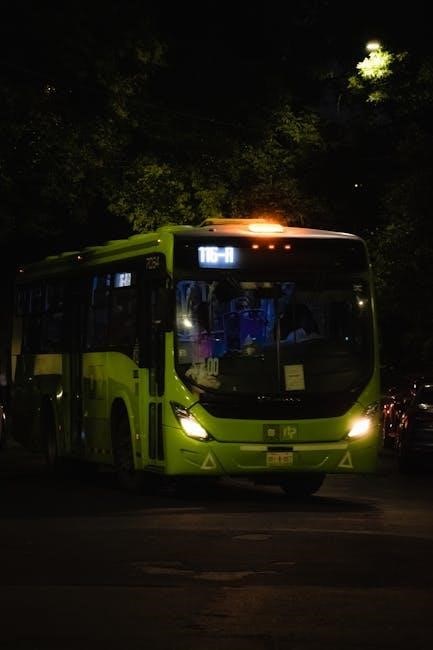
The 237 bus service, operated by Bee Network ― Metroline, connects Glossop to Ashton-under-Lyne, offering a reliable transport link for commuters and residents․ The route provides essential connectivity, with a downloadable PDF timetable available for journey planning․

1․1 Overview of the 237 Bus Route

The 237 bus route connects Glossop to Ashton-under-Lyne, passing through key stops like Hadfield and Stalybridge․ Operated by Bee Network ― Metroline, it provides a vital link for residents and commuters․ The service is supported by a downloadable PDF timetable, ensuring easy access to scheduling information․ This route is essential for connecting local communities and facilitating travel across the region․

1․2 Importance of the Glossop to Ashton Route

The Glossop to Ashton route is crucial for connecting communities, facilitating daily commutes, and accessing essential services․ It serves as a lifeline for residents in Glossop, Hadfield, and Stalybridge, linking them to Ashton-under-Lyne․ The route supports local businesses, schools, and healthcare facilities, making it indispensable for the region’s connectivity and economic activity․ Its reliability ensures consistent travel options for thousands of passengers․

Accessing the 237 Bus Timetable PDF

The 237 bus timetable PDF is available for download from the Bee Network website, providing detailed schedules and route information for planning journeys between Glossop and Ashton․

2․1 Sources for Downloading the Timetable

The 237 bus timetable PDF can be downloaded from the Bee Network website and Transport for Greater Manchester (TfGM) portal․ The PDF, sized at 183 KB, is accessible via these official sources, ensuring accurate and up-to-date scheduling information․ Additionally, the operator’s website and BeeNetwork Twitter handle provide direct links for easy access․

2․2 Steps to View the PDF Timetable

To view the 237 bus timetable PDF, visit the Bee Network website or Transport for Greater Manchester (TfGM) portal․ Navigate to the timetable section, select the 237 route, and click the PDF link․ Choose your travel direction (Glossop to Ashton or vice versa)․ The PDF (183 KB) will download automatically․ Open it using a PDF reader like Adobe Acrobat for easy viewing․

Understanding the Timetable Format

The 237 bus timetable PDF is a structured document listing departure times, stops, and service frequencies․ It includes timing points and all stops, updated as of October 31, 2025․

3․1 Reading the Timetable Effectively

The 237 bus timetable PDF is structured to show departure times, stops, and service frequencies․ Start by identifying your destination and direction of travel․ Timing points highlight key stops, while all stops are listed for clarity․ Use the journey planner or timetable data to plan your trip efficiently, ensuring you catch the right bus at the correct time․

3․2 Key Symbols and Notations Explained

The 237 bus timetable uses specific symbols and notations to guide passengers․ Timing points indicate exact arrival times at major stops, while all stops are listed for clarity․ Service frequencies are shown for peak and off-peak hours, and direction switches help plan trips in both directions․ Understanding these symbols ensures accurate journey planning and efficient travel․

Route Details and Stops

The 237 bus route connects Glossop to Ashton-under-Lyne via Hadfield and Stalybridge, with stops at key locations․ The service omits Old Road bus stop inbound to Back Moor/Stalybridge Road․

4․1 Complete List of Stops from Glossop to Ashton

The 237 bus route from Glossop to Ashton-under-Lyne includes stops in Hadfield, Stalybridge, and other key locations․ Notable stops include Glossop Town Centre, Hadfield Railway Station, and Stalybridge Bus Station․ The service also passes through Back Moor and Stalybridge Road, ensuring comprehensive coverage for commuters․ The omission of Old Road bus stop inbound highlights adjustments to optimize the route efficiency․

  • Glossop Town Centre
  • Hadfield Railway Station
  • Stalybridge Bus Station
  • Back Moor
  • Stalybridge Road

4․2 Major Landmarks and Transfer Points

The 237 bus route connects key landmarks, including Glossop Town Centre and Ashton-under-Lyne Interchange․ Major transfer points like Stalybridge Bus Station offer links to rail services; Recent updates, such as the extension of the 201 bus to Glossop, enhance connectivity, providing passengers with seamless travel options across the region․

  • Glossop Town Centre
  • Stalybridge Bus Station
  • Ashton-under-Lyne Interchange

Frequency and Service Hours

The 237 bus operates regularly, with peak hours offering frequent departures and off-peak hours maintaining reliable service․ Timetables are designed to accommodate commuter needs, ensuring connectivity․

5․1 Peak and Off-Peak Service Frequencies

The 237 bus service operates with varying frequencies during peak and off-peak hours․ Peak times typically see buses every 15-20 minutes, ensuring reliable connectivity for commuters․ Off-peak services are slightly less frequent, but still maintain regular intervals to accommodate passengers․ Timetables are designed to align with demand, providing efficient travel options throughout the day․

5․2 Weekend vs․ Weekday Service Differences

The 237 bus service operates with adjusted frequencies on weekends compared to weekdays․ Weekdays typically offer more frequent services to accommodate commuter demand, while weekends see reduced service levels․ Passengers should check the timetable for specific weekend schedules, as some routes may have limited stops or extended intervals, particularly on Sundays․

Fares and Ticketing Information

The 237 bus service offers affordable fares, including single and return tickets․ Payment methods include contactless cards, cash, and mobile payments․ Visit the operator’s website for detailed pricing․

6․1 Single and Return Ticket Prices

The 237 bus service offers competitive single and return ticket options․ Single tickets are priced affordably, while return tickets provide additional savings for round trips․ Payment methods include contactless cards, cash, and mobile payments for convenience․ Exact pricing details can be found on the operator’s website or at the point of purchase․

6․2 Payment Methods Accepted

The 237 bus service accepts various payment methods, including contactless card payments, cash, and mobile payments via apps like Google Pay or Apple Pay․ Passengers can also purchase weekly passes for convenience․ For more details on accepted payment options, visit the Bee Network website or consult the operator’s customer service team․

Service Reliability and Punctuality

The 237 bus service, operated by Bee Network ― Metroline, is known for its reliable schedule and punctuality, ensuring consistent travel times for passengers․

7․1 Historical Punctuality Performance

The 237 bus service has maintained a strong punctuality record, with historical data showing consistent on-time arrivals․ Factors like traffic and roadworks occasionally cause delays, but overall, the service reliably adheres to its schedule, ensuring passengers can plan their journeys with confidence․

7․2 Real-Time Tracking Options

Passengers can track the 237 bus in real-time using the Bee Network website or mobile app․ Live updates are also available through TfGM’s official platforms, ensuring accurate arrival times․ Additionally, digital displays at key stops provide real-time information, helping commuters plan their journeys efficiently․ These tools enhance the overall travel experience by reducing wait times and improving reliability․

Timetable Changes and Updates

Recent adjustments to the 237 timetable include minor route modifications and frequency updates․ Passengers are advised to check the official Bee Network website or app for the latest changes․

8․1 Recent Adjustments to the 237 Timetable

Recent adjustments to the 237 timetable include the omission of the Old Road bus stop, with services now continuing inbound to Back Moor/Stalybridge Road․ Passengers are advised to check the latest PDF timetables for updated schedules and plan their journeys accordingly․ These changes aim to improve service reliability and connectivity for commuters traveling between Glossop and Ashton-under-Lyne․

8․2 How to Stay Informed About Changes

Passengers can stay informed about timetable changes by regularly checking the Bee Network website or following their official Twitter account, @BeeNetworkBus․ Additionally, signing up for service alerts or downloading the latest PDF timetables ensures commuters remain updated on any adjustments to the 237 bus service schedule․

Connecting Services and Interchanges

The 237 bus service connects Glossop to Ashton-under-Lyne, with key stops in Hadfield and Stalybridge․ Passengers can transfer to other services at Ashton-under-Lyne for further travel options, with PDF timetables available for easy journey planning․

9․1 Bus Services Connecting in Ashton

Ashton-under-Lyne serves as a key transport hub, with the 237 bus terminating here․ Passengers can connect to other bus services, including the 201 linking to Manchester Piccadilly and Hyde․ Additionally, the 236 route, though planned for reduction, currently offers further local connections․ The town’s central location makes it an ideal interchange for travelers heading to nearby destinations or transferring to rail services․

9․2 Rail and Other Transport Links

Ashton-under-Lyne and Stalybridge are well-connected to regional rail networks, with regular train services to Manchester Victoria and other destinations․ The 237 bus service complements these rail links, providing seamless transfers for passengers․ Additionally, nearby transport hubs offer connections to broader networks, enhancing travel options for commuters and travelers alike․

Special Services and Alerts

Service alerts and disruptions are communicated through official channels․ Recent updates include the omission of Old Road bus stop, with services diverting to Back Moor/Stalybridge Road․

10․1 School or Special Event Services

The 237 bus service occasionally provides special event services, enhancing connectivity for events in Glossop and Ashton․ Dedicated school services ensure students reach destinations safely․ Adjustments are made during peak events to accommodate increased demand, with real-time updates available through official channels and the downloadable PDF timetable for accurate journey planning․

10․2 Service Alerts and Disruptions

Passengers should check for service alerts before traveling, as disruptions may occur due to roadworks or unforeseen events․ The 237 bus service may omit stops like Old Road, diverting to Back Moor/Stalybridge Road․ Real-time updates are available through the operator’s website or the PDF timetable․ Stay informed to plan your journey accurately and avoid delays․

Passenger Experience and Amenities

The 237 bus service offers a comfortable and accessible travel experience, with clean vehicles and on-board facilities ensuring a pleasant journey for all passengers․

11․1 On-Board Facilities

The 237 bus service provides comfortable seating, ample standing space, and luggage racks for passenger convenience․ Electronic displays show real-time stop information, enhancing the travel experience․

11․2 Accessibility Features

The 237 bus service includes accessibility features such as low-floor entry, wheelchair ramps, and priority seating areas․ Audible announcements and visual displays assist passengers with disabilities, ensuring inclusive travel for all․

Environmental Impact and Sustainability

The 237 bus service contributes to reducing carbon emissions by providing an eco-friendly transport option, encouraging the use of public transport over private vehicles․

12․1 Eco-Friendly Initiatives by the Operator

The operator of the 237 bus service is committed to sustainability, utilizing low-emission vehicles and implementing energy-efficient practices to minimize environmental impact while maintaining reliable public transport․

12․2 Reducing Carbon Footprint

The 237 bus service contributes to a greener future by using eco-friendly vehicles and optimizing routes to minimize fuel consumption․ By providing a reliable public transport option, it reduces the reliance on private vehicles, lowering overall carbon emissions and promoting sustainable travel in the Glossop to Ashton corridor․

Community Impact and Feedback

The 237 bus service plays a vital role in connecting local communities, supporting residents, and fostering economic activity in Glossop and Ashton-under-Lyne․

Passengers appreciate its reliability, though some highlight room for improvement in punctuality and frequency to better serve the growing population․

13․1 Role of the 237 Bus in Local Communities

The 237 bus service is a lifeline for residents, connecting Glossop to Ashton-under-Lyne and supporting daily commutes, education, and employment․ It links residential areas with shopping centers, healthcare facilities, and schools, fostering community access to essential services․ The route also supports local businesses by enabling easy travel for customers and employees, playing a vital role in the region’s economic and social well-being․

13․2 Passenger Feedback and Reviews

Passengers praise the 237 bus service for its reliability and convenience, with many relying on it for daily commutes․ Feedback highlights clean vehicles and friendly drivers, though some note occasional delays․ The route’s connectivity between Glossop and Ashton-under-Lyne is particularly valued, making it a vital link for shopping, work, and education․ Overall, it is seen as an essential service for the community․

Future Developments and Plans

Plans include extending services and integrating routes like the 201 bus to Glossop, enhancing connectivity․ Proposed changes to the 236 route may impact the 237 service adjustments․

14․1 Proposed Changes to the Route

Proposed changes to the 237 bus route aim to enhance connectivity, potentially integrating with the extended 201 service to Glossop․ Adjustments may include new stops or modified paths to improve efficiency․ The cancellation of the 236 service could lead to realignment of the 237 route to cover essential areas, ensuring continued access for commuters․ Updates will be shared via official channels․

14․2 Expansion of Services

The 237 bus service may expand to integrate with the extended 201 route, enhancing connectivity to Glossop․ Plans include potential new stops and extended operating hours to meet growing demand․ The cancellation of the 236 service highlights the need for the 237 to cover additional areas, ensuring seamless travel options for passengers․ Updates will be shared via official channels․

The 237 bus service remains a vital link between Glossop and Ashton, with its timetable readily available as a PDF․ Stay informed via official updates for optimal travel planning․

15․1 Summary of Key Information

The 237 bus service, operated by Bee Network — Metroline, connects Glossop to Ashton-under-Lyne, offering a reliable route with downloadable PDF timetables․ Recent adjustments and real-time tracking options enhance user convenience․ Passengers are advised to check official sources for updates, ensuring smooth travel planning and staying informed about any service changes or disruptions․

15․2 Final Tips for Using the 237 Bus Service

Plan your journey by downloading the PDF timetable for accurate 237 bus times․ Use real-time tracking to monitor bus arrivals and adjust plans accordingly․ Check for service updates or disruptions before traveling․ Arrive at stops early and have your ticket ready․ For assistance, contact Bee Network or refer to their website for support․

Open post

perth guide book

Perth, a vibrant yet isolated city, offers a unique blend of modern sophistication and natural beauty. Its sunny climate, pristine beaches, and outdoor activities make it a must-visit destination.

Planning Your Trip

Plan your Perth adventure with tailored itineraries, budget guides, and insider tips to explore beaches, dining, and activities, ensuring an unforgettable experience in Western Australia.

2.1 Best Time to Visit

Perth’s sunny climate makes it a year-round destination, but the best time to visit is during spring (September to November) and autumn (March to May). These seasons offer mild temperatures, ideal for outdoor activities like beach trips and hiking. Summer (December to February) is perfect for water sports and festivals, while winter (June to August) is cooler but great for exploring indoor attractions. Avoid visiting during schoolies week in late November and early December, as Rottnest Island becomes crowded. Plan your trip around events like the Sculpture by the Sea Festival in March or the wildflower festival in September for a unique experience. Check local calendars to align your visit with Perth’s vibrant cultural and natural highlights.

2.2 Itinerary Options

Perth offers flexible itineraries to suit all interests. A 5-day plan allows exploration of city highlights like Kings Park, Elizabeth Quay, and the Perth Mint, with a day trip to Rottnest Island. For a 7-day adventure, include visits to Margaret River for wine tasting, Mandurah for dolphin watching, and Fremantle for historical tours. Nature enthusiasts can hike the Bibbulmun Track, while foodies can enjoy Sunday Sessions at waterfront bars. Mix cultural experiences, outdoor activities, and relaxation to create an unforgettable trip. Whether you prefer a quick city break or an extended regional exploration, Perth’s diverse attractions ensure a memorable experience tailored to your preferences.

2.3 Travel Costs

Perth offers a range of accommodation options to suit various budgets. Hostel dorms cost between 35-50 AUD per night, while private rooms range from 88-115 AUD. Budget hotels start at 125 AUD, and luxury hotels begin at 300 AUD. Airbnb options are available from 65 AUD for private rooms and 125 AUD for apartments. Food prices vary, with pre-made sandwiches costing 12-15 AUD, pub meals 15-30 AUD, and midrange restaurants 55-75 AUD per meal. Activities like Rottnest Island tours cost around 120 AUD, while stargazing tours start at 199 AUD. Budget travelers can save by opting for public transport and free attractions like Kings Park. Planning ahead and booking in advance can help reduce costs, making Perth an affordable destination for all travelers.

2.4 Insider Tips

For an unforgettable trip to Perth, consider visiting during spring (September to November) for wildflowers and mild weather. Avoid schoolies week in late November for a quieter Rottnest Island experience. Take advantage of free attractions like Kings Park and the Perth Mint’s free exhibitions. Opt for a SmartRider card for affordable public transport, and book accommodations in advance, especially during peak seasons. Don’t miss the Sunday Sessions, a local tradition where waterfront bars come alive with live music and drinks. For a unique experience, explore the Pinnacles under the stars or hike a section of the Bibbulmun Track. Lastly, plan ahead for popular tours like Rottnest Island bike rentals or stargazing excursions to ensure availability and the best prices.

Top Attractions in Perth

Perth is a must-visit destination, offering iconic attractions such as Kings Park, stunning beaches, Rottnest Island, and the breathtaking Pinnacles. These landmarks showcase the city’s natural beauty and charm.

3.1 Kings Park and Botanic Garden

Kings Park and Botanic Garden is a 400-hectare oasis offering stunning views of Perth and the Swan River. Explore the eucalyptus tree canopy, visit the giant boab tree, and discover native habitats. The Boodja Gnarning Walk shares the traditions of the Noongar people, while the park hosts live events and a vibrant wildflower festival in September. Admission is free, making it a must-visit for nature lovers and families. The DNA Tower, with its panoramic views, is a highlight for photographers. Whether strolling through gardens or picnicking with loved ones, Kings Park is a serene escape in the heart of the city.

3.2 Perth’s Iconic Beaches

Perth’s beaches are a true gem, offering pristine white sands and crystal-clear waters. Cottesloe Beach, a favorite for water activities, hosts the Sculpture by the Sea Festival in March. Scarborough Beach is a surfer’s paradise, while Trigg Beach boasts stunning white sand and surf spots. City Beach provides a quieter atmosphere with excellent dining options nearby. Swanbourne Beach, a nude beach, and Scarborough Beach are easily accessible by public transport. These beaches are perfect for swimming, sunbathing, and enjoying the Indian Ocean breeze. Whether you’re seeking adventure or relaxation, Perth’s beaches promise unforgettable experiences, making them a top reason to visit Western Australia.

3.3 Rottnest Island

Rottnest Island, located off Perth’s coast, is a must-visit destination for its stunning beaches, crystal-clear waters, and vibrant marine life. The island offers a variety of activities, including snorkeling, biking, and camping, making it perfect for families and adventure seekers alike. Avoid visiting during schoolies week in late November and early December, as the island becomes a hub for young revelers. To explore the island, rent a bike or join a guided tour. Don’t miss the opportunity to interact with the friendly quokkas, small wallabies native to the island. Ferries to Rottnest operate regularly from Perth, and face masks are mandatory on public transport due to COVID-19 regulations. With its serene landscapes and diverse wildlife, Rottnest Island promises an unforgettable experience for all visitors.

3.4 The Pinnacles and Stargazing

Located within Nambung National Park, The Pinnacles are a breathtaking natural wonder just two hours south of Perth. These unique limestone formations create an otherworldly landscape, perfect for exploration during sunset. As night falls, the area transforms into a stargazing paradise, far from Perth’s light pollution. Visitors can use telescopes or astro-binoculars to marvel at the Milky Way, planets, and the moon. Guided stargazing tours are available, starting from 199 AUD per person, often including food or drinks. This experience offers a magical blend of natural beauty and celestial wonder, making it a must-do for any traveler to Perth.

Day Trips from Perth

Explore Margaret River’s wineries, Mandurah’s dolphin-filled waters, and Fremantle’s historic charm, all within easy reach of Perth, offering diverse experiences for every traveler.

4.1 Margaret River

Margaret River, just three hours south of Perth, is renowned for its world-class wines and gourmet cuisine. This picturesque region offers a perfect blend of natural beauty and culinary delights. Visitors can explore renowned wineries like Leeuwin Estate, indulge in local produce, and enjoy breathtaking landscapes. The area is also ideal for outdoor enthusiasts, with opportunities for hiking, surfing, and exploring ancient caves. A half-day wine tour starts from 150 AUD, allowing you to sample some of the region’s finest vintages. For a more immersive experience, consider staying overnight to fully appreciate the serene surroundings and vibrant food scene. Margaret River is a must-visit destination for anyone seeking a mix of relaxation, adventure, and indulgence.

4.2 Mandurah and Dolphin Watching

Mandurah, just one hour south of Perth, is a hidden gem offering a mix of wildlife, water activities, and serene landscapes. Known for its abundant marine life, the region is perfect for dolphin watching, boating, and fishing. Visit Dolphin Quay at Mandurah Ocean Marina and stroll along the Mandurah Boardwalk, where you can enjoy scenic views and local eateries. The area is also a haven for birdwatchers, with thousands of species to spot. Don’t miss the Mandurah Crab Festival in March for a taste of local culture. Affordable dolphin-watching tours start from 39 AUD, making it an ideal day trip for families and nature lovers alike. With its tranquil atmosphere and rich wildlife, Mandurah provides a refreshing escape from the city.

4.3 Fremantle: A Historical Day Trip

Fremantle, just an hour from Perth by train, offers a rich historical and cultural experience. Once a penal colony, the city is home to the World Heritage-listed Fremantle Prison, built by convicts in the 1800s. Explore the Round House, the oldest building in Western Australia, and the Fremantle Arts Centre, a hub for local creativity. The city’s charming streets are lined with historic architecture, boutique shops, and vibrant markets. Don’t miss the iconic Cappuccino Strip, where you can enjoy a coffee or meal. For craft beer enthusiasts, Little Creatures Brewery is a must-visit. With its blend of history, art, and modern charm, Fremantle is an ideal day trip destination. The cost to visit is affordable, with train tickets starting from 7-11 AUD, making it accessible for all travelers.

Food and Nightlife in Perth

Perth’s food and nightlife scene thrives in Northbridge, known for its vibrant clubs and diverse dining. Sunday Sessions are a local tradition, with spots like El Grotto offering live music and entertainment.

5.1 Northbridge: The Heart of Perth’s Nightlife

Northbridge is the vibrant epicenter of Perth’s nightlife, offering a diverse array of clubs, bars, and lounges. This dynamic neighborhood transforms at night, attracting locals and visitors alike with its energetic atmosphere. From trendy cocktail bars to lively dance floors, there’s something for every taste. Many restaurants in the area remain open late, providing the perfect spot for a late-night bite. Northbridge is also home to Perth’s Chinatown, adding a unique cultural flair to its dining and entertainment options. Whether you’re looking for a relaxed evening or an adventurous night out, Northbridge delivers an unforgettable experience, making it a must-visit destination for anyone exploring Perth’s nightlife scene.

5.2 Sunday Sessions: A Perth Tradition

Sunday Sessions are a beloved Perth tradition, where locals gather to unwind and socialize over drinks and good company. This iconic ritual often takes place at waterfront bars along the Swan River or in coastal spots like Fremantle, offering stunning ocean views. Many venues feature live entertainment, such as DJs or bands, creating a lively atmosphere. Sunday Sessions are more than just a drinking event—they’re a cultural phenomenon where friends and family come together to enjoy the city’s relaxed vibe. Popular spots like El Grotto host these gatherings, complete with music and refreshing cocktails. Whether you’re a local or a visitor, joining a Sunday Session is a great way to experience Perth’s laid-back lifestyle and vibrant social scene.

Safety and Precautions

Perth is a safe city, but precautions are essential. Stay hydrated, use sunscreen, and watch for wildlife. Be cautious of strong currents at beaches and avoid walking alone at night.

6.1 General Safety Tips

Perth is considered a very safe city, with low rates of violent crime. However, petty theft can occur, so keep valuables secure. Always wear sunscreen and stay hydrated due to the sunny climate. Be mindful of strong currents at beaches and swim between the red and yellow flags. Avoid walking alone at night in poorly lit areas and never leave drinks unattended. Solo female travelers should take standard precautions, such as avoiding walking alone late at night and keeping an eye on personal belongings. Overall, Perth is a secure destination, but staying aware of your surroundings ensures a trouble-free visit.

6.2 Natural Hazards and Precautions

Perth’s natural environment requires specific precautions. The city’s climate is sunny, so sunscreen, hats, and hydration are essential. Beachgoers should heed red and yellow flags, as strong currents can be dangerous. Snorkelers and swimmers should watch for marine life, including jellyfish. When exploring bushlands or parks, be aware of snakes and spiders; seek immediate medical help if bitten. During summer, bushfires can occur, so monitor local alerts. Stay informed about weather conditions, especially during extreme heat or storms. Respect wildlife and avoid feeding animals. Always carry water and plan for emergencies when venturing into remote areas. By taking these precautions, visitors can safely enjoy Perth’s natural beauty and outdoor activities.

6.3 Solo Female Traveler Advice

Perth is generally a safe city for solo female travelers, with low crime rates and a welcoming atmosphere. However, standard precautions are advisable. Avoid walking alone at night in poorly lit areas and keep valuables secure in crowded spaces. Never leave drinks unattended in bars or clubs. When swimming, follow beach safety guidelines and swim between the flags. Stay hydrated, wear sunscreen, and be mindful of the strong sun. Respect local wildlife and natural environments. For added safety, share your itinerary with a friend or family member. Perth’s friendly locals and well-patrolled areas make it an excellent destination for solo female travelers. With proper precautions, you can enjoy the city’s vibrant culture, stunning beaches, and outdoor activities confidently.

Scroll to top